8 Best Fertilizers for New Sod
The smell of damp earth and the heavy weight of water-saturated root mats define the critical window for successful turf establishment. Achieving immediate turgor pressure in the blades requires a precise balance of macro and micronutrients to bridge the gap between the cut sod and the native soil. The best fertilizers for new sod prioritize phosphorus for rapid root elongation and potassium for cellular wall strength. Without the correct chemical signals, the rhizosphere remains stagnant; the grass blades wilt as the plant fails to transport moisture from the substrate to the canopy. Successful installation depends on the immediate availability of soluble nutrients that do not burn the delicate, exposed root hairs. You are managing a biological transition where the plant must shift from a state of shock to active metabolic growth within forty-eight hours. Precision in nutrient application ensures the grass anchors itself before the stored carbohydrates in the rhizomes are exhausted.
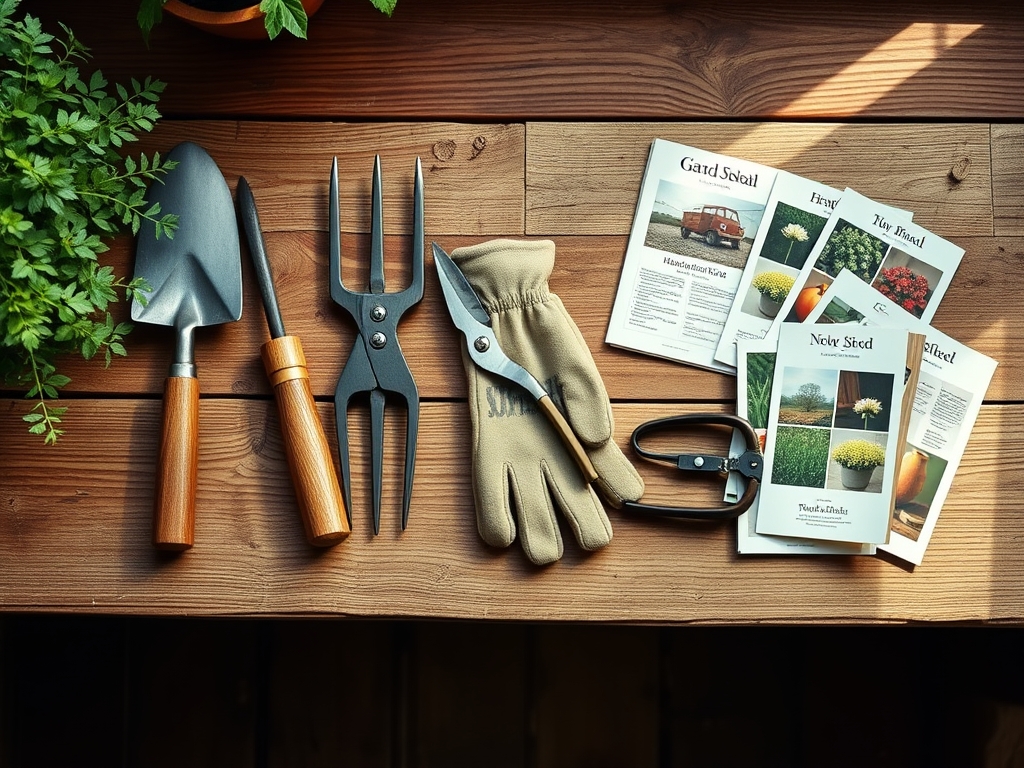
Materials:
The ideal substrate for new sod is a **friable loam** with a **Cation Exchange Capacity (CEC) between 15 and 25 cmol/kg**. This range ensures the soil can hold and exchange positively charged nutrients like calcium and magnesium. Soil pH must be calibrated to **6.5 to 7.0** to maximize nutrient bioavailability. If the pH drops below 6.0, phosphorus becomes chemically locked in the soil; if it rises above 7.5, iron chlorosis becomes a systemic risk.
Select fertilizers based on these specific NPK ratios and soil conditions:
- Starter 10-20-10: High phosphorus content for primary root development in neutral soils.
- Organic 5-4-3: Slow-release poultry manure base for low-CEC sandy soils.
- Synthetic 18-24-12: High-intensity starter for cool-season grasses in Zone 5 or 6.
- Milorganite 6-4-0: Non-burning heat-dried microbes for high-clay environments.
- Slow-Release 15-5-10: Polymer-coated urea for sustained nitrogen delivery in humid climates.
- Liquid 6-18-6: Immediate foliar and root uptake for emergency recovery.
- Bio-Stimulant 0-0-2: Seaweed-based potassium to increase osmotic pressure.
- Sulfur-Coated 20-5-10: For alkaline soils requiring a slight pH reduction during establishment.
Timing:
Timing is governed by the Hardiness Zone and the specific metabolic state of the cultivar. For cool-season grasses like Kentucky Bluegrass or Tall Fescue (Zones 3 to 7), the window opens when soil temperatures consistently reach 55 to 65 degrees Fahrenheit. Warm-season grasses like Bermuda or St. Augustine (Zones 8 to 11) require soil temperatures above 70 degrees Fahrenheit to exit dormancy.
The "Biological Clock" of new sod is centered on the transition from the vegetative shock of being harvested to the regenerative stage of rooting. Avoid installation during the frost-date window, typically thirty days before the first expected hard freeze. If sod is laid too late, the plant enters senescence before the roots have established sufficient carbohydrate reserves in the crown, leading to winterkill.
Phases:

Sowing the Foundation
Before the first pallet arrives, the soil must be amended. Incorporate a granular starter fertilizer into the top 2 to 4 inches of the soil profile. This ensures that as soon as the root initials emerge from the sod piece, they encounter a nutrient-rich environment.
Pro-Tip: Utilize mycorrhizal fungi inoculants during this phase. This creates a mycorrhizal symbiosis where fungal hyphae extend the root system's reach by up to 100 times, significantly increasing phosphorus uptake.
Transplanting and Compression
As the sod is laid, ensure tight seams to prevent desiccation of the edges. Use a water-filled roller to press the sod into the soil, removing air pockets. Air gaps act as a barrier to the rhizosphere, preventing the roots from sensing the moisture and nutrients in the substrate.
Pro-Tip: Minimize foot traffic to prevent auxin suppression. Physical compaction of the soil surface can disrupt the hormonal signals that tell the plant to prioritize downward root growth over upward blade elongation.
Establishing the Canopy
Once the sod cannot be lifted (usually 14 to 21 days), the establishment phase begins. This is when the plant shifts its energy from root repair to leaf production. Apply a second round of nitrogen-rich fertilizer to support chlorophyll synthesis and increase the photoperiod efficiency of the new blades.
Pro-Tip: Maintain high turgor pressure through consistent irrigation. This internal cellular pressure is the mechanical force that allows the young grass blades to push through any remaining surface tension and stand upright for maximum sunlight absorption.
The Clinic:
Symptom: Yellowing of the lower blades while new growth remains green.
Solution: This is Nitrogen Chlorosis. Nitrogen is a mobile nutrient; the plant is scavenging it from old tissue to support new growth.
Fix-It: Apply a fast-acting ammonium sulfate fertilizer at a rate of 0.5 lbs of Nitrogen per 1,000 square feet.
Symptom: Purpling or bronzing of the leaf tips and stems.
Solution: Phosphorus deficiency, often caused by cold soil temperatures (below 50 degrees Fahrenheit) which inhibit phosphorus solubility.
Fix-It: Apply a liquid orthophosphate solution for immediate root-zone availability.
Symptom: Localized wilting despite heavy irrigation (localized dry spot).
Solution: Hydrophobic soil conditions or fungal "fairy ring" mycelium blocking water penetration.
Fix-It: Use a soil surfactant (wetting agent) to break the surface tension and allow water to reach the roots.
Maintenance:
Precision water management is the backbone of sod survival. For the first 10 days, apply 0.25 inches of water four times daily to keep the sod mat saturated. Transition to 1.5 inches of water per week delivered in two deep sessions once the roots have penetrated the native soil by 2 inches.
Use a soil moisture meter daily to check the interface between the sod and the soil. If the meter reads below 25 percent volumetric water content, increase irrigation frequency. When the grass reaches a height of 4 inches, use sharp bypass pruners or a mower with a sharpened blade to take it down to 3 inches. Never remove more than one-third of the leaf tissue at once to avoid metabolic shock. A hori-hori knife is an excellent tool for checking root depth; simply cut a small V-shaped wedge in the turf to observe the white, fleshy roots entering the subsoil.
The Yield:
While turf is not harvested for consumption, the "yield" is measured in biomass density and shear strength. A successful establishment results in a knitting of the rhizomes that can withstand high-impact use. To maintain day-one freshness and peak health, keep the mower deck high and ensure the blades are surgically sharp. Ragged cuts increase the surface area of the wound, leading to excessive transpiration and making the plant vulnerable to pathogens.
FAQ:
When should I apply the first fertilizer to new sod?
Apply a starter fertilizer with a high phosphorus ratio (e.g., 10-20-10) directly to the soil surface immediately before laying the sod. This ensures the emerging root initials have instant access to the nutrients required for cellular division and elongation.
Can I use a high-nitrogen fertilizer on new sod?
Avoid high-nitrogen "turf builder" products for the first 21 days. Excessive nitrogen forces rapid blade growth before the root system can support it. This imbalance leads to physiological stress and increased susceptibility to drought and heat-related leaf wilt.
How often should I water new sod after fertilizing?
Keep the soil consistently moist but not anaerobic. Water for 5 to 10 minutes, four times daily, for the first two weeks. This prevents the fertilizer salts from dehydrating the tender new roots and ensures a steady nutrient solution for the plant.
What is the best NPK ratio for new sod?
A ratio of 1-2-1 (such as 10-20-10) is standard. The elevated middle number (Phosphorus) is critical for ATP production and root development. The Potassium (third number) aids in water regulation and cold hardiness during the sensitive establishment phase.