8 Best Climbing Roses for Trellises
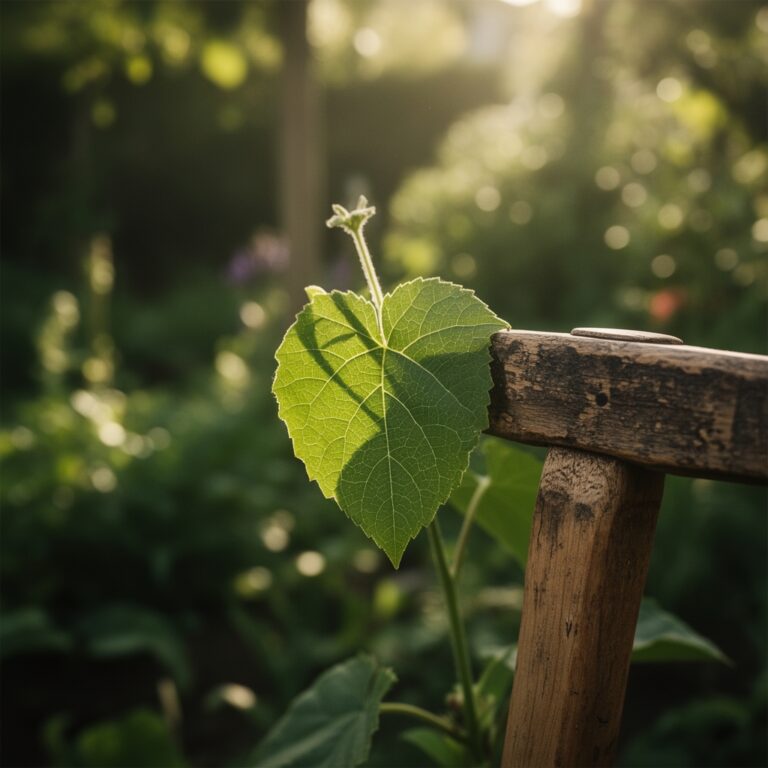
The scent of damp, acidic earth signifies a rhizosphere ready for the metabolic demands of the Rosaceae family. A healthy leaf displays high turgor pressure; its cells are fully distended with water to maintain a rigid structure against the trellis. Selecting the best climbing roses for trellises requires more than aesthetic preference. It demands an understanding of apical dominance and the structural integrity of the cane. Successful cultivation begins with the physiological preparation of the site, ensuring the soil profile supports the massive biomass these woody perennials produce over a decade of growth.
The selection process focuses on cultivars that exhibit strong lateral branching when trained horizontally. This manipulation of auxin flow triggers the development of floriferous spurs along the entire length of the cane. Without this intervention, the plant remains leggy, concentrating blooms only at the distal ends. We prioritize varieties with documented resistance to fungal pathogens and those that demonstrate high vigor in diverse soil types. The following guide provides the technical framework for establishing a vertical rose system that survives the transition from vegetative growth to reproductive senescence.
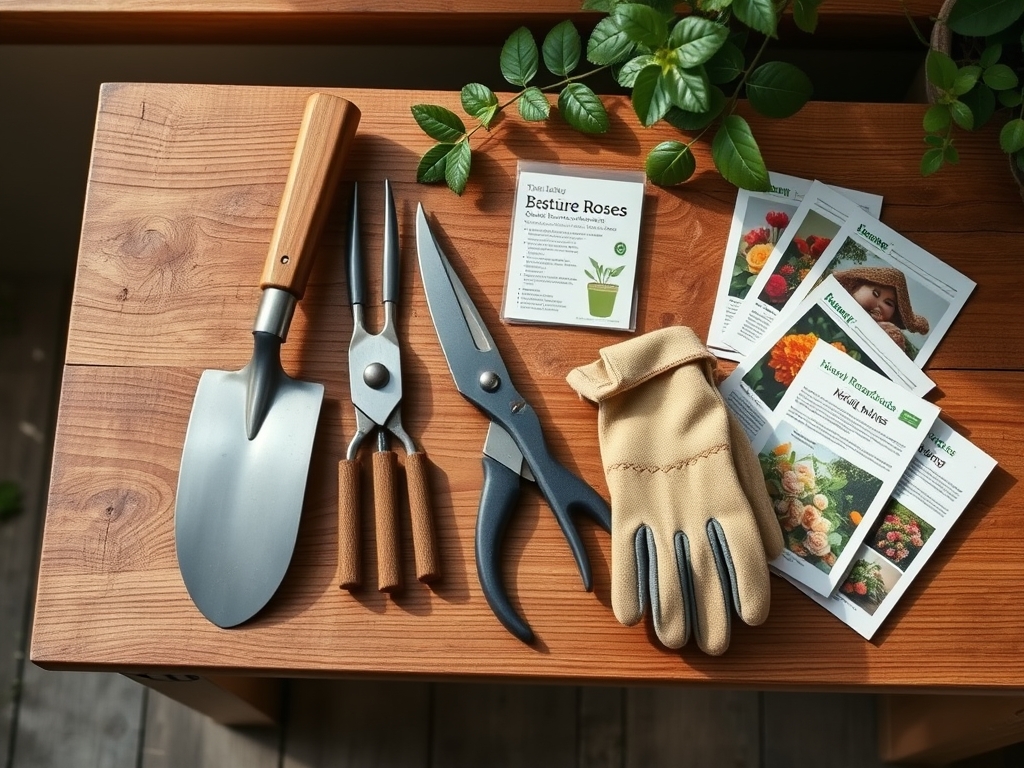
Materials:
The ideal substrate for the best climbing roses for trellises is a friable loam with a soil pH between 6.0 and 6.5. This range ensures maximum bioavailability of micronutrients like iron and manganese. The Cation Exchange Capacity (CEC) should be high, indicating the soil's ability to hold positively charged ions such as calcium and magnesium.
- Soil Composition: 40 percent sand, 40 percent silt, and 20 percent clay.
- Nutrient Ratios: At planting, utilize a 5-10-5 NPK ratio to prioritize root development over foliar expansion. Once established, transition to a 10-10-10 balanced fertilizer during the active growing season.
- Organic Matter: Incorporate 3 inches of well-composted manure to increase the microbial activity within the rhizosphere.
- Hydration: A soil moisture meter should read between 60 and 80 percent field capacity during the first 12 months.
Timing:
Climbing roses generally thrive in USDA Hardiness Zones 5 through 9. Planting must occur during the dormant window, typically in late winter or early spring, before the first bud break. This allows the root system to establish before the plant faces the transpiration stress of summer heat.
The biological clock of a climbing rose is governed by the photoperiod and cumulative growing degree days. The transition from the vegetative stage (leaf and cane production) to the reproductive stage (flower initiation) occurs as temperatures stabilize above 50 degrees Fahrenheit. In colder climates, winter protection is mandatory when temperatures drop below 10 degrees Fahrenheit to prevent desiccation of the canes.
Phases:
Sowing and Selection
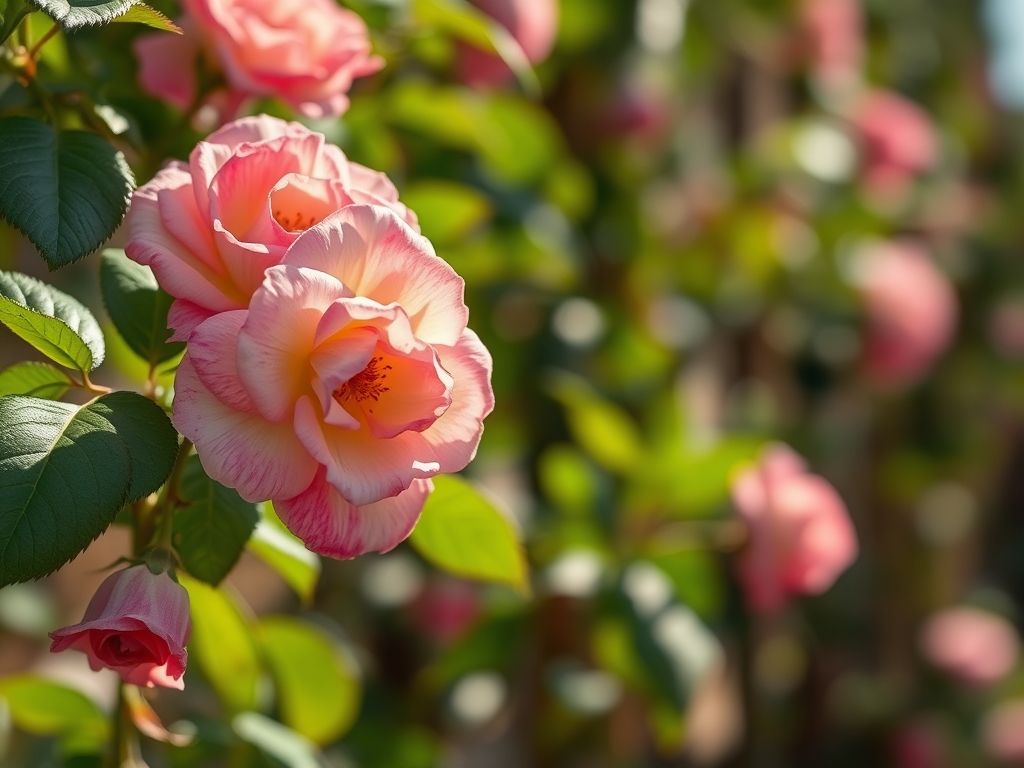
While most climbers are purchased as grafted or own-root specimens rather than seeds, the selection of the cultivar is the "sowing" of your future success. The top eight cultivars for structural trellises include 'Cecile Brunner', 'New Dawn', 'Eden', 'Zephirine Drouhin', 'Don Juan', 'Golden Showers', 'Westerland', and 'Lady of Shalott'.
Pro-Tip: Choose "own-root" roses over grafted varieties in Zone 5 and 6. If the plant dies back to the ground in a hard freeze, the regrowth will be the desired cultivar rather than the vigorous but unattractive rootstock. This preserves the genetic integrity of your vertical display.
Transplanting
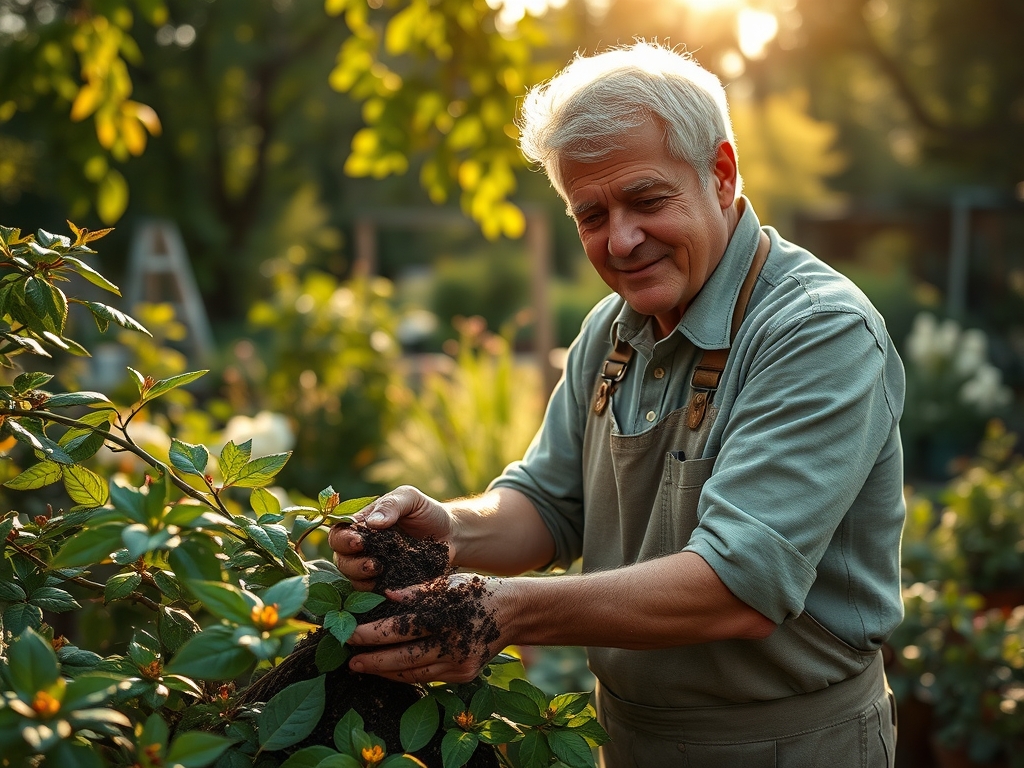
Dig a hole 24 inches wide and 24 inches deep. This volume of loosened soil allows for rapid radial root expansion. If using a grafted rose, position the bud union (the swelling where the rose is joined to the rootstock) 2 inches below the soil line in cold climates to protect it from frost. In warmer regions, keep it at soil level.
Pro-Tip: Dust the root ball with mycorrhizal fungi before backfilling. This creates a symbiotic relationship that extends the root system's reach, increasing the uptake of phosphorus and water through hyphal networks.
Establishing and Training
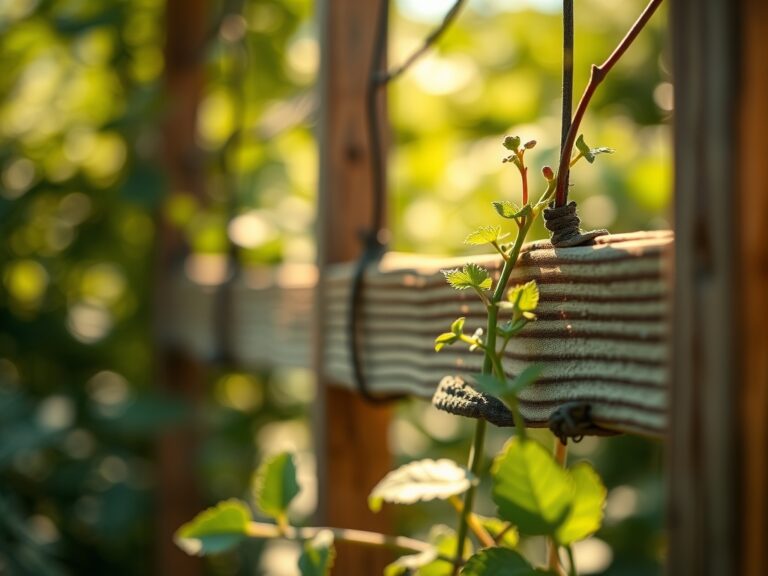
During the first two years, do not prune for shape. Allow the canes to grow vertically to build energy reserves. Once the canes reach the top of the trellis, begin horizontal training. Secure the canes using soft ties, ensuring they are not constricted.
Pro-Tip: Train canes at a 45 to 90 degree angle. This suppresses apical dominance (the tendency for the tip to grow fastest) and forces the plant to distribute auxins to lateral buds. This results in a wall of flowers rather than a single cluster at the top.
The Clinic:
Monitoring the physiological state of the rose is critical for long term health. Look for these specific indicators of distress:
- Symptom: Interveinal chlorosis (yellowing between green veins) on new leaves.
- Solution: This indicates an Iron deficiency, often caused by a pH above 7.0. Apply chelated iron and lower the pH using elemental sulfur.
- Symptom: Purple or reddish spots on leaves followed by premature leaf drop.
- Solution: This is Black Spot (Diplocarpon rosae). Improve air circulation and remove all fallen debris to break the fungal life cycle.
- Symptom: Stunted growth and pale green foliage on the entire plant.
- Solution: Nitrogen deficiency. Apply a quick-release high-nitrogen fertilizer (NPK 20-10-10) to restore chlorophyll production.
- Symptom: Distorted, puckered new growth with a white powdery coating.
- Solution: Powdery Mildew. This occurs when humidity is high but leaves are dry. Increase irrigation at the base and ensure the trellis is at least 6 inches away from any solid walls to facilitate airflow.
Maintenance:
Precision maintenance ensures the longevity of the best climbing roses for trellises. Provide 1.5 inches of water per week delivered at the drip line via drip irrigation to avoid wetting the foliage. Use a soil moisture meter twice weekly to verify the moisture depth reaches at least 12 inches.
Pruning should be performed with sterilized bypass pruners to ensure clean cuts that heal quickly. Use a hori-hori knife to remove competing weeds within a 3 foot radius of the base. Every three years, perform "renewal pruning" by removing one or two of the oldest, greyish canes at the base. This stimulates the production of vigorous new canes from the crown.
The Yield:
For climbing roses, the "yield" is the abundance of blooms and the quality of the cut flowers. Harvest flowers in the early morning when turgor pressure is at its peak. Use sharp snips to cut the stem at a 45 degree angle just above a five-leaflet leaf.
Immediately plunge the stems into 100 degree Fahrenheit water containing a floral preservative. This warm water moves through the xylem more efficiently than cold water, preventing air embolisms. Store the harvested blooms in a cool, dark environment for two hours before arranging to ensure "day-one" freshness and maximum vase life.
FAQ:
How much sun do climbing roses need?
Most climbing roses require a minimum of six to eight hours of direct sunlight daily. Insufficient light leads to weak canes, reduced flower production, and increased susceptibility to fungal pathogens like powdery mildew.
When is the best time to prune climbers?
Prune once-blooming climbers immediately after their floral display ends. For repeat-bloomers, prune in late winter or early spring while the plant is still dormant to encourage vigorous new growth and maximize the upcoming season's bloom cycle.
Can I grow climbing roses in containers?
Yes, provided the container holds at least 15 to 20 gallons of substrate. Use a high-quality potting mix with added perlite for drainage. Ensure the trellis is securely anchored to the container or a nearby permanent structure.
How do I stop my rose from growing only at the top?
You must break apical dominance by bending the main canes horizontally along the trellis. This redistributed hormone flow encourages lateral buds to break, creating flower spurs along the entire length of the cane rather than just the tip.