10 Safety Ways How to Landscape Around a Pool
The smell of damp earth after a high-pressure irrigation cycle signals a healthy rhizosphere, where gas exchange and nutrient uptake occur at peak efficiency. Successful poolside horticulture requires managing high humidity and potential chemical splash-back without compromising plant turgor pressure. Understanding how to landscape around a pool demands a rigorous focus on drainage and salt tolerance. You must select species that maintain structural integrity while resisting the physiological stress of reflected heat and chlorinated water exposure.
Materials:
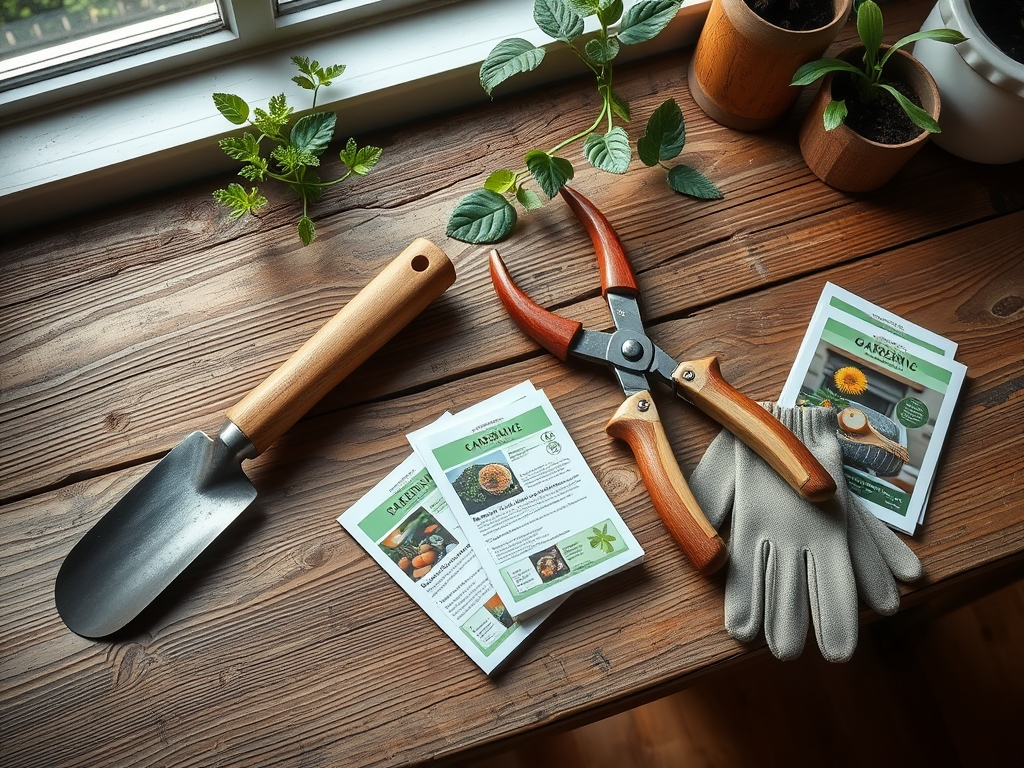
The foundation of a poolside installation is a **friable loam** with a **Cation Exchange Capacity (CEC) between 15 and 25**. This ensures the soil can hold essential nutrients like potassium and magnesium against the leaching effects of heavy pool splashing. Maintain a **soil pH between 6.0 and 7.0** to optimize nutrient availability.
For the initial planting phase, utilize a slow-release fertilizer with an NPK ratio of 10-10-10 to support root development and cellular respiration. Avoid high-nitrogen blends that induce rapid, weak vegetative growth; this makes the plant vulnerable to wind damage and desiccation. Incorporate 20% coarse perlite or horticultural grit into the backfill to ensure a drainage rate of at least 2 inches per hour. This prevents anaerobic conditions in the root zone, which lead to root rot and pathogen proliferation.
Timing:
Timing is dictated by your specific USDA Hardiness Zone. In Zones 8 through 10, the ideal planting window occurs during the dormant season or early spring when soil temperatures reach a consistent 55 degrees Fahrenheit. This allows the root system to establish before the summer heat increases the evapotranspiration rate.
The biological clock of the plant transitions from the vegetative stage to the reproductive stage based on the photoperiod. For poolside landscapes, choose "long-day" plants that thrive under maximum solar radiation. Ensure all major transplanting is completed at least six weeks before the first projected frost date to allow for sufficient lignification of new stems. This hardening-off process protects the vascular system from ice crystal formation within the xylem.
Phases:
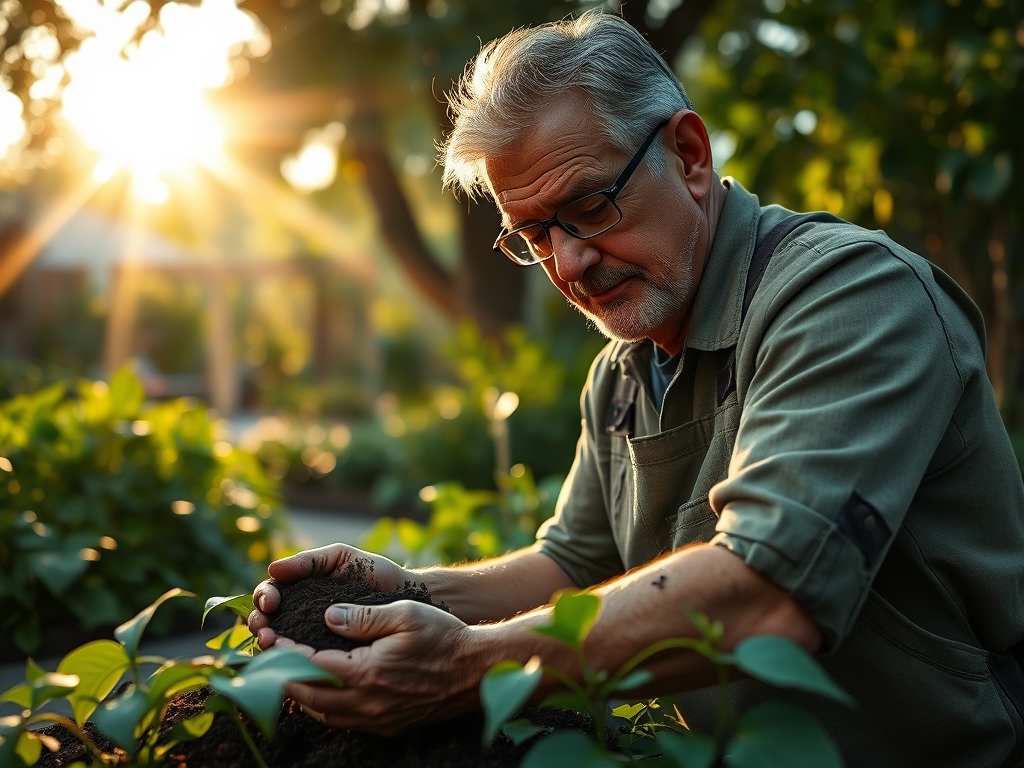
Sowing and Soil Preparation
Begin by excavating a trench twice the width of the root ball. Amend the native soil with organic matter to improve the water-holding capacity without sacrificing aeration. If using seeds for groundcover, ensure a sowing depth of 0.25 inches to allow light-induced germination for specific species.
Pro-Tip: Utilize mycorrhizal inoculants during soil preparation. This symbiotic relationship between fungi and roots increases the surface area for water absorption by up to 1,000 times, significantly reducing transplant shock.
Transplanting
When moving a specimen from a container to the ground, ensure the root flare is exactly at or slightly above the soil line. Deep planting causes trunk rot by trapping moisture against the bark. Gently tease out circling roots to prevent future girdling, which restricts the flow of carbohydrates from the leaves to the roots.
Pro-Tip: Apply a seaweed-based kelp solution immediately after transplanting. The natural auxins and cytokinins in kelp stimulate rapid root hair production and suppress apical dominance, encouraging a bushier, more resilient plant structure.
Establishing
The establishment phase lasts approximately 12 to 18 months. During this period, the plant requires consistent moisture to maintain turgor pressure. Monitor the soil daily using a soil moisture meter to ensure the root zone stays between 40% and 60% field capacity.
Pro-Tip: Use a 3-inch layer of inorganic mulch, such as river rock or pea gravel, near the pool edge. Unlike organic wood mulch, stone does not float into the filtration system during heavy rain and does not promote fungal spore dispersal via hydrochorous transport.
The Clinic:
Physiological disorders in poolside plants often stem from environmental stressors rather than pathogens.
- Symptom: Interveinal chlorosis (yellowing between leaf veins).
Solution: This indicates a Magnesium deficiency or high pH. Apply Epsom salts (Magnesium Sulfate) at a rate of 1 tablespoon per gallon of water to restore chlorophyll production. - Symptom: Marginal leaf burn or scorching.
Solution: This is often caused by Salt Toxicity from pool splash-back. Flush the root zone with 5 gallons of fresh water per square foot to leach excess sodium. - Symptom: Wilting despite moist soil.
Solution: This indicates Root Hypoxia due to poor drainage. Incorporate expanded shale or gypsum to improve soil structure and oxygen penetration.
Fix-It: For Nitrogen chlorosis (uniform paling of older leaves), apply a liquid foliar feed with a 5-1-1 NPK ratio for immediate uptake through the leaf stomata.
Maintenance:
Precision maintenance is the difference between a surviving landscape and a thriving one. Deliver 1.5 inches of water per week at the drip line using a drip irrigation system to minimize evaporation. Use a hori-hori knife for precise weeding without disturbing the delicate surface roots of your primary specimens.
Pruning should be performed with sharp bypass pruners to ensure clean cuts that callose over quickly. Remove no more than 25% of the canopy in a single season to avoid hormonal imbalances that lead to water sprouts. Periodically check soil compaction levels; if a probe cannot penetrate 6 inches into the soil with moderate pressure, core aeration is required to restore gas exchange.
The Yield:
If your poolside landscape includes ornamental grasses or flowering perennials like Lavandula, harvest for aesthetics or oil content when the plant reaches 30% anthesis (flower opening). Use sterilized snips to cut stems at a 45-degree angle. For "day-one" freshness, immediately plunge the stems into 40-degree Fahrenheit water to slow the metabolic rate and prevent senescence. Store in a cool, dark location to preserve the essential oils and structural rigidity of the cellular walls.
FAQ:
What are the best plants for pool privacy?
Select non-invasive clumping bamboos or evergreen shrubs like Taxus. These provide high-density foliage without significant leaf litter. Ensure they are planted at least 5 feet from the pool edge to prevent root interference with the structural shell.
How do I prevent pool chemicals from killing plants?
Choose "salt-tolerant" species such as Rhaphiolepis indica. Maintain a buffer zone of 3 feet using non-porous hardscaping. Regularly rinse foliage with fresh water to remove chemical residues and prevent stomatal clogging or foliar salt burns.
Can I use mulch near a pool?
Avoid lightweight organic mulches like pine straw or wood chips. These migrate into the water and clog skimmers. Use heavy river stone or lava rock to provide a stable thermal barrier for the roots while maintaining pool cleanliness.
How often should I fertilize poolside plants?
Apply a balanced, slow-release fertilizer twice per year, in early spring and mid-summer. Avoid over-fertilization, as excess salts can accumulate in the soil, exacerbating the stress already caused by pool water splashes and high evaporation rates.