9 Proven Steps to Grow Artichoke Plants
The smell of damp, oxygenated earth signifies a field ready for Cynara cardunculus. A successful crop begins with the turgor of a healthy leaf; if the foliage lacks rigidity, the vascular system is already failing. To master the steps to grow artichoke plants, one must understand that these are heavy feeders requiring significant caloric intake from the soil. They are not passive garden additions. They are architectural, nutrient-demanding perennials that dictate the rhythm of the growing season through their rigid photoperiod requirements and massive leaf spans. Success requires a precise balance of nitrogen for vegetative expansion and potassium for bud development.
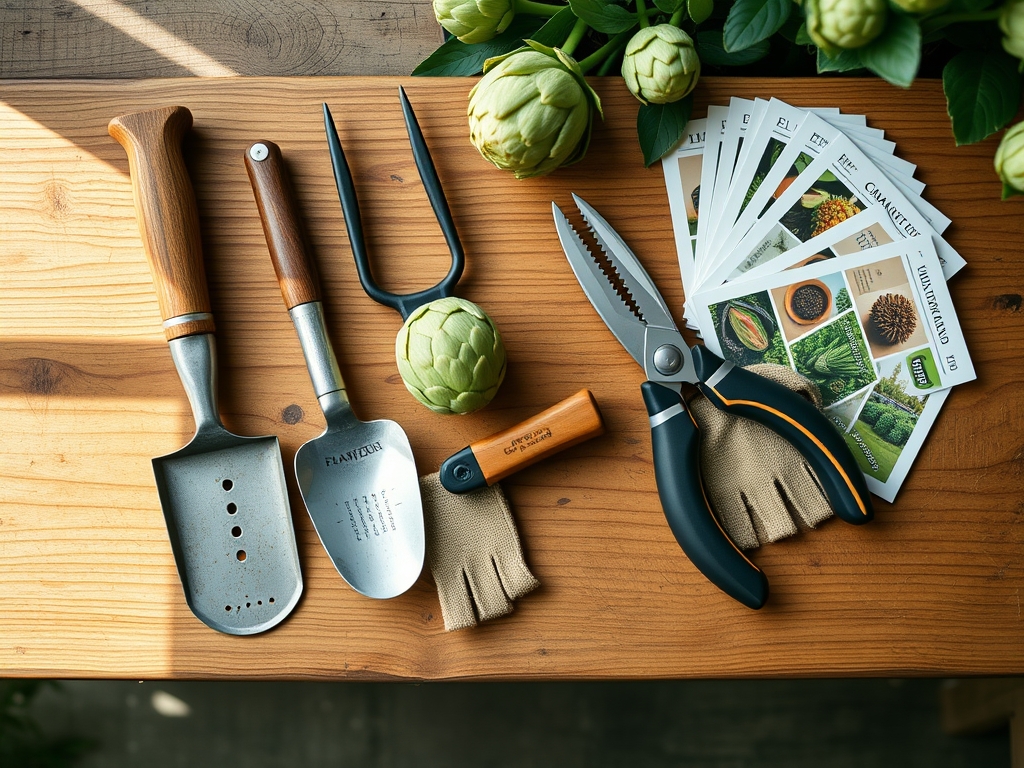
Materials:
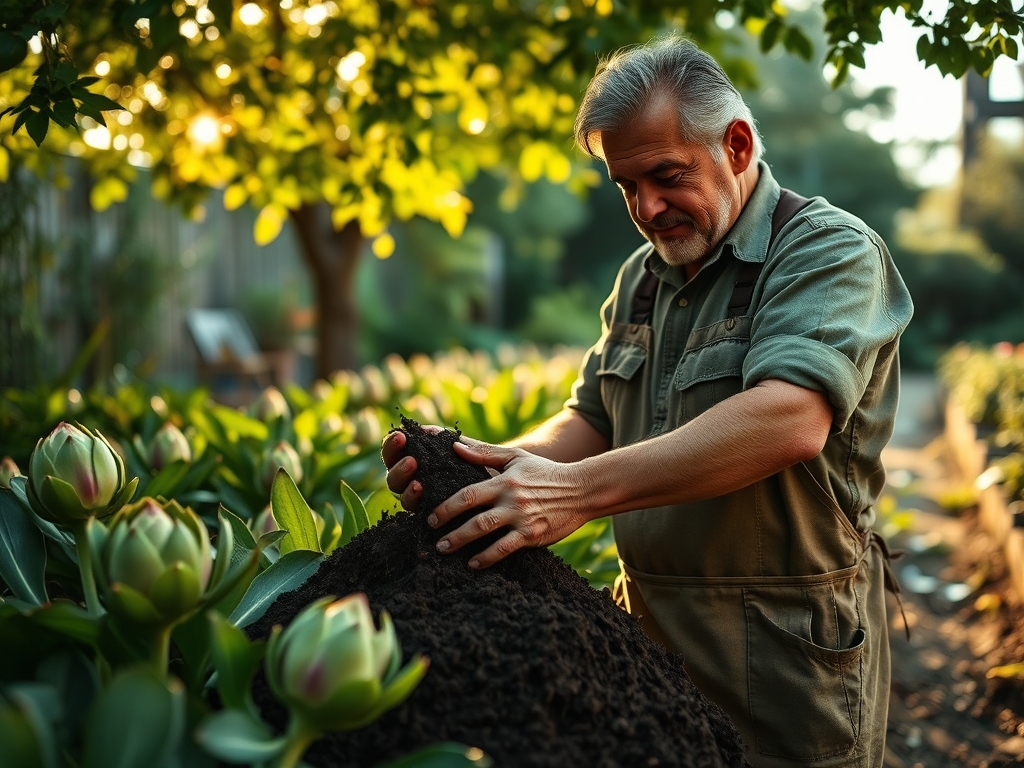
The foundation of the artichoke rhizosphere is a friable loam with high porosity. These plants fail in compacted clay. You must achieve a Soil pH between 6.5 and 7.0. Anything lower than 6.0 inhibits the uptake of phosphorus, leading to stunted bud formation.
For the initial growth phase, use a fertilizer with an NPK ratio of 10-10-10. Once the plant enters the reproductive stage, transition to a 5-10-10 formula to prioritize floral development over leaf mass. The soil should have a high Cation Exchange Capacity (CEC) to hold onto these nutrients. Incorporate 3 to 4 inches of well-rotted organic matter into the top 12 inches of soil to increase the water-holding capacity without sacrificing drainage.
Timing:
Artichokes are traditionally hardy in USDA Zones 7 through 11. In colder zones, they are grown as annuals through a process called vernalization. The biological clock of the artichoke is triggered by cool temperatures. To induce budding in the first year, seedlings must experience approximately 250 to 500 hours of temperatures below 50 degrees Fahrenheit but above freezing.
Planting should occur 2 to 4 weeks before the last frost date for annual production. If the temperature drops below 28 degrees Fahrenheit, the cellular structure of the leaves will rupture. In Mediterranean climates, artichokes are treated as perennials with a lifespan of 5 to 7 years before the crown loses vigor and requires division.
Phases:
Sowing and Germination
Start seeds indoors 8 to 12 weeks before the last frost. Sow seeds 1/4 inch deep in sterile starting mix. Maintain a consistent soil temperature of 70 to 75 degrees Fahrenheit.
Pro-Tip: Use a heat mat to ensure uniform germination. The Biological Why involves enzymatic activation; consistent thermal energy accelerates the metabolic breakdown of the seed coat, allowing the radicle to emerge without exhausting its stored starch reserves.
Transplanting and Hardening Off
When seedlings reach 5 to 6 inches in height and have at least two sets of true leaves, begin the hardening-off process. Move them outdoors for increasing intervals over 7 to 10 days. Space plants 3 to 4 feet apart in rows spaced 4 to 5 feet apart.
Pro-Tip: Apply a mycorrhizal inoculant to the root ball during transplanting. The Biological Why is mycorrhizal symbiosis; these fungi extend the reach of the root system, increasing the surface area for phosphorus absorption and improving drought resistance.
Establishing the Crown
During the first 60 days in the ground, the plant focuses on root architecture. Monitor soil moisture daily. The plant requires a stable environment to prevent premature senescence.
Pro-Tip: Mulch heavily with straw or wood chips. The Biological Why is the suppression of soil temperature fluctuations. Stable root zone temperatures prevent the plant from entering a dormant state during unexpected heat spikes, maintaining high turgor pressure in the large leaves.
The Clinic:
Physiological disorders often stem from environmental stress rather than pathogens.
- Symptom: Marginal leaf burn or necrosis.
- Solution: This indicates Calcium deficiency, often caused by inconsistent watering rather than a lack of calcium in the soil. Calcium moves through the plant via transpiration.
- Symptom: Yellowing of older leaves (Chlorosis).
- Solution: Nitrogen deficiency. Apply a side-dressing of blood meal or a high-nitrogen liquid fertilizer.
- Symptom: Small, tough buds with blackened tips.
- Solution: Frost damage or extreme heat. Provide shade cloth if temperatures exceed 90 degrees Fahrenheit to prevent the buds from opening prematurely.
Fix-It: If you observe slow growth despite proper timing, check the soil compaction. Use a broadfork to aerate the soil around the drip line without disturbing the central taproot.
Maintenance:
Precision is mandatory for high yields. Use a soil moisture meter to ensure the root zone remains consistently damp but never saturated. Artichokes require 1.5 inches of water per week delivered at the drip line. Avoid overhead irrigation to prevent crown rot.
Weed management is critical during the first year. Use a hori-hori knife to remove deep-rooted perennials that compete for nitrogen. As the artichoke matures, its massive leaf canopy will naturally shade out most competitors. Every spring, use bypass pruners to remove dead or damaged outer leaves to improve airflow and reduce the habitat for localized pests.
The Yield:
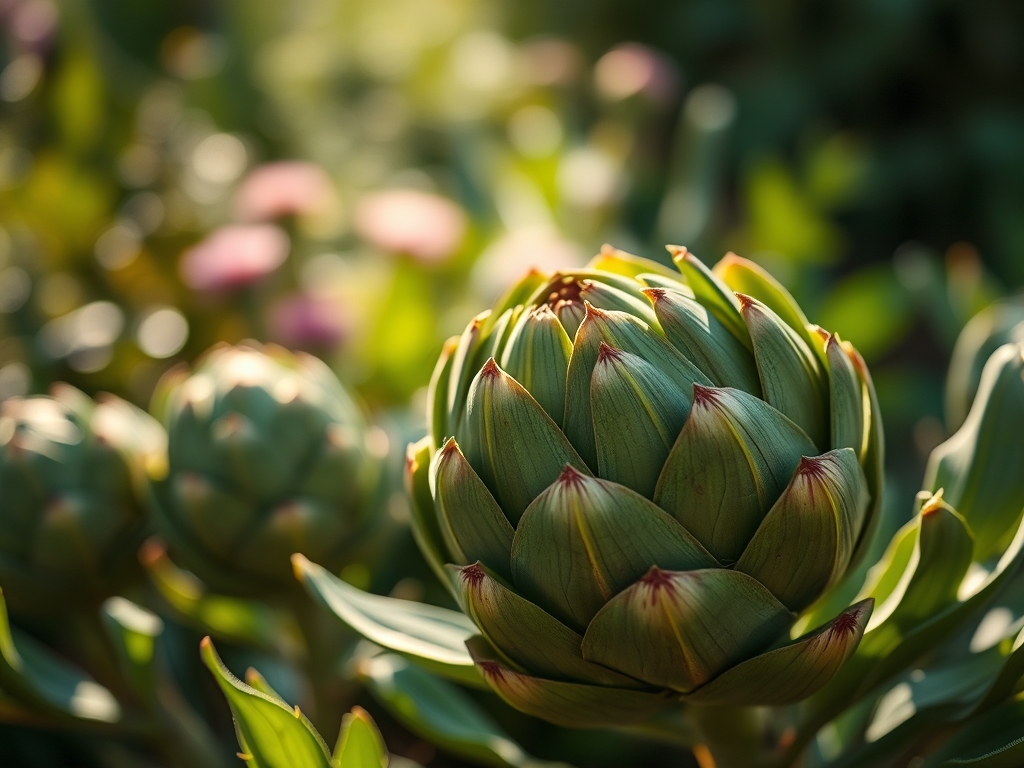
Harvesting begins when the lowest bracts on the bud start to pull away from the center. The bud should be tight and firm. Use a sharp knife to cut the stem 2 to 3 inches below the base of the bud. This "handle" prevents the bud from dehydrating.
The central "King" bud matures first, followed by smaller secondary buds on lateral branches. Once the harvest is complete, cut the entire stalk back to 3 inches above the soil line. To maintain "day-one" freshness, submerge the stems in cold water or seal them in a high-humidity refrigerated environment at 34 degrees Fahrenheit. They will remain viable for up to two weeks under these conditions.
FAQ:
How do I grow artichokes in cold climates?
Grow them as annuals by starting seeds early indoors. Expose seedlings to six weeks of temperatures near 50 degrees Fahrenheit before transplanting. This mimics a winter cycle, tricking the plant into producing buds during its first summer.
Why are my artichoke buds opening into flowers?
This occurs when the harvest is delayed or temperatures are too high. Once the bracts spread, the edible heart becomes fibrous and bitter. Harvest when the bud is 3 to 5 inches in diameter and still tightly closed.
How often should I fertilize my artichoke plants?
Apply a balanced fertilizer every 4 to 6 weeks during the active growing season. Stop fertilizing once the primary buds begin to form. High nitrogen at the end of the cycle can lead to soft, pest-prone growth.
Can I grow artichokes in containers?
Yes, but you need a minimum 15-gallon container per plant. The container must have excellent drainage. Because pots dry out faster, monitor the moisture levels daily with a meter to maintain the required 1.5 inches of water.
What is the best way to propagate artichokes?
While seeds work, root cuttings or "pups" from an established crown are more reliable. In the spring or fall, use a sharp spade to remove a side shoot with a portion of the root attached and replant it immediately.