6 Steps to Prepare a Stable Garden Deck Site
Learning how to prepare a site for a garden deck transforms unstable ground into a load-bearing foundation that will support elevated structures, planters, and foot traffic for decades. The scent of freshly turned soil mixes with the sharp tang of pressure-treated lumber as stakes drive into earth that must be compacted, leveled, and engineered to prevent settling, frost heave, or drainage failure beneath your outdoor living space.
Materials
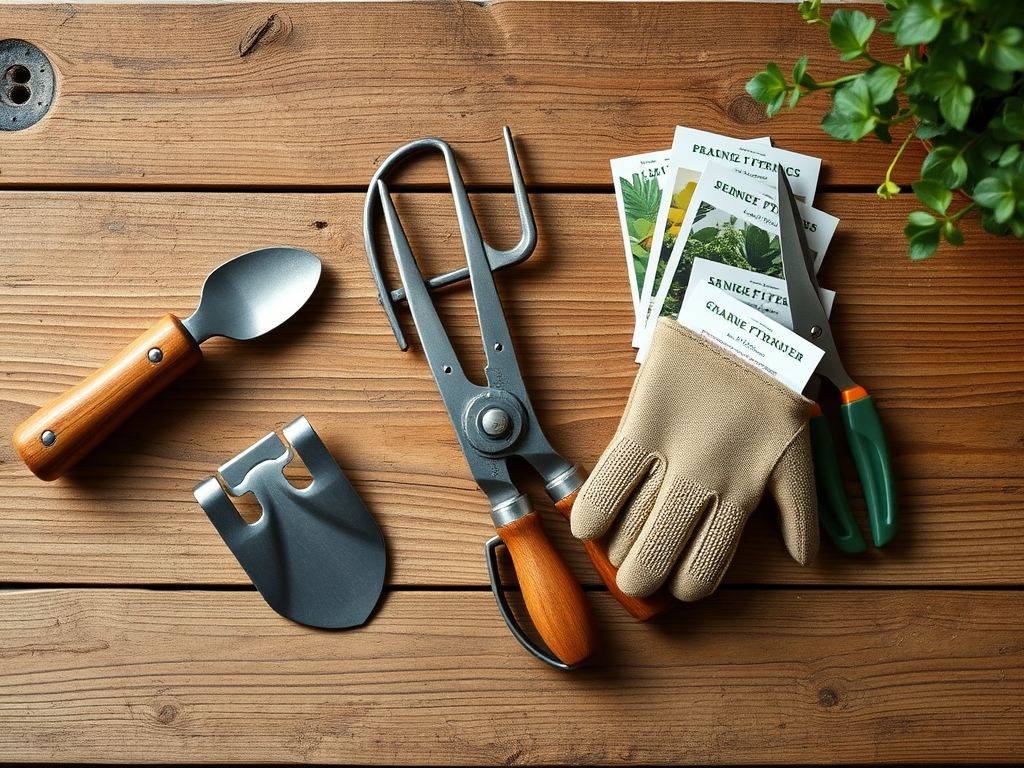
Site preparation demands equipment that cuts, compacts, and amends. A flat-blade spade removes sod cleanly without mixing organic matter into the compaction zone. Rent a plate compactor rated for 5,000 pounds of centrifugal force to achieve 95% Standard Proctor Density in granular fill. String lines, a 4-foot level, and laser transit establish grade accuracy within 1/4 inch over 20 feet.
For base materials, specify crushed limestone with angular particles in the 3/4-inch minus range. This aggregate locks together under compaction far better than rounded river gravel. The calcium carbonate composition maintains a pH of 7.5 to 8.0, which resists the acidification that occurs when organic matter decomposes beneath decks. Landscape fabric with a permeability rating of 30 gallons per minute per square foot separates native soil from fill while allowing drainage.
If incorporating raised beds into the deck perimeter, prepare a soil blend with NPK ratios appropriate for intended crops. A 4-4-4 organic fertilizer derived from feather meal, bone meal, and kelp provides balanced nutrition. Amend with sphagnum peat or aged compost at a 2:1 ratio with native soil to improve cation exchange capacity to 15 milliequivalents per 100 grams, ensuring nutrient retention without waterlogging.
Timing
Execute site work between May 15 and September 30 in USDA Hardiness Zones 5 through 7, when soil moisture content allows proper compaction without creating impermeable clay layers. Soils at field capacity (approximately 20% moisture by weight) compact optimally. Working saturated ground destroys soil structure. Working dust-dry ground produces false compaction that settles after the first heavy rain.
In Zones 8 through 10, work year-round but avoid periods of monsoon rainfall when equipment creates ruts deeper than 3 inches. Northern gardeners in Zones 3 and 4 must complete excavation and compaction before October 1 to allow frost penetration testing before winter. Frost depth determines footing placement; decks in Zone 3 require concrete piers extending 48 inches below grade.
Phases

Excavation Phase
Remove all vegetation, roots, and topsoil to a depth of 8 inches across the entire footprint plus 24 inches beyond the perimeter. Topsoil contains 3% to 6% organic matter that decomposes over 5 to 15 years, creating voids that cause settling. Slope the excavation floor 2% away from structures to ensure positive drainage. A 12-foot-wide site requires a 2.88-inch drop from high to low edge.
Pro-Tip: Spray excavated areas with Bacillus thuringiensis israelensis 48 hours before filling to suppress fungus gnat populations that colonize disturbed soil interfaces.
Fill and Compaction Phase
Place crushed stone in 3-inch lifts. Compact each lift with 4 passes of the plate compactor, overlapping passes by 6 inches. Test compaction by driving a 1/2-inch diameter steel rod into the surface. Properly compacted base resists penetration beyond 2 inches with hand pressure. Install perforated drain pipe along the low edge, surrounded by 6 inches of washed gravel, to intercept subsurface water.
Pro-Tip: Moisten each lift with 0.5 gallons of water per square yard before compaction. This activates particle interlocking and mimics optimal Proctor curve conditions at 12% moisture content.
Leveling and Verification Phase
Spread a 1-inch layer of stone dust (crusher fines passing a #200 sieve) over the final compacted lift. Screed to exact grade using a notched straightedge riding on string lines set at finished height. Verify elevations every 4 feet in a grid pattern. Maximum allowable deviation is 3/16 inch. This surface receives deck framing directly or serves as a base for concrete pier blocks.
Pro-Tip: Inoculate planting beds adjacent to the deck with Rhizophagus irregularis (formerly Glomus intraradices) at 100 propagules per cubic foot of soil. Mycorrhizal colonization increases phosphorus uptake by 300% in compacted perimeter zones.
Troubleshooting
Symptom: Puddling water remains 24 hours after rain.
Solution: Core-aerate compacted zones to 6-inch depth. Backfill cores with coarse sand to create vertical drainage channels at 12-inch spacing.
Symptom: Frost heave lifts deck posts 1 to 3 inches each winter.
Solution: Excavate pier holes to 6 inches below local frost line. Pour concrete footings with #4 rebar grid to resist uplift forces exceeding 2,000 pounds.
Symptom: Settled depressions form under joists within 18 months.
Solution: Inadequate compaction. Remove decking, excavate 12 inches, install geogrid fabric rated for 4,000-pound tensile strength, and re-compact in 2-inch lifts.
Symptom: Perennial weeds penetrate landscape fabric.
Solution: Apply pre-emergent containing prodiamine at 0.5 pounds active ingredient per acre before fabric installation. Blocks auxin-driven cell division in germinating seeds for 120 days.
Maintenance
Inspect gravel base annually each April. Add 1/2 inch of fresh stone dust to areas showing displacement from traffic or water flow. Maintain a clearance of 8 inches between soil and any wood framing to prevent capillary moisture wicking and carpenter ant colonization.
Water containerized plants on deck structures with 1 inch per week, delivered in a single deep soaking rather than daily sprinkles. This promotes root growth to 12-inch depths and reduces surface compaction from repeated light irrigations. Clean debris from perimeter drains every October before leaf drop to maintain flow capacity of 10 gallons per minute.
FAQ
How deep should I excavate for a garden deck?
Remove 8 inches of topsoil plus the thickness of your aggregate base. A typical installation requires 10 to 12 inches total depth.
Can I skip compaction if my soil is already hard?
No. Native clay may feel hard but contains air pockets and organic matter that compress under sustained loads, causing differential settling.
What prevents weeds under a deck?
Landscape fabric blocks light. Combined with 6 inches of compacted stone, it creates an environment too dense and dark for germination.
How much slope do I need?
Minimum 2% grade (1/4 inch per foot) directs water away from foundations and prevents pooling that attracts mosquitoes and accelerates wood decay.
Should deck footings rest on compacted stone?
No. Pour concrete piers to undisturbed subsoil or engineered fill below frost depth. Stone base supports only the deck floor system between posts.