7 Best Vegetable Garden Tool Files for Sharpening
The first stroke of a dull hoe through compacted soil sends a jarring vibration up both arms, wasting energy and time that could go toward planting or harvesting. Sharp edges glide through root mats and slice through weeds at ground level with minimal effort. The best vegetable garden tool files restore cutting geometry to spades, hoes, pruners, and shovels, transforming frustrating work into efficient motion. A 10-inch mill bastard file can rehabilitate a season's worth of dulled steel in under twenty minutes.
Materials
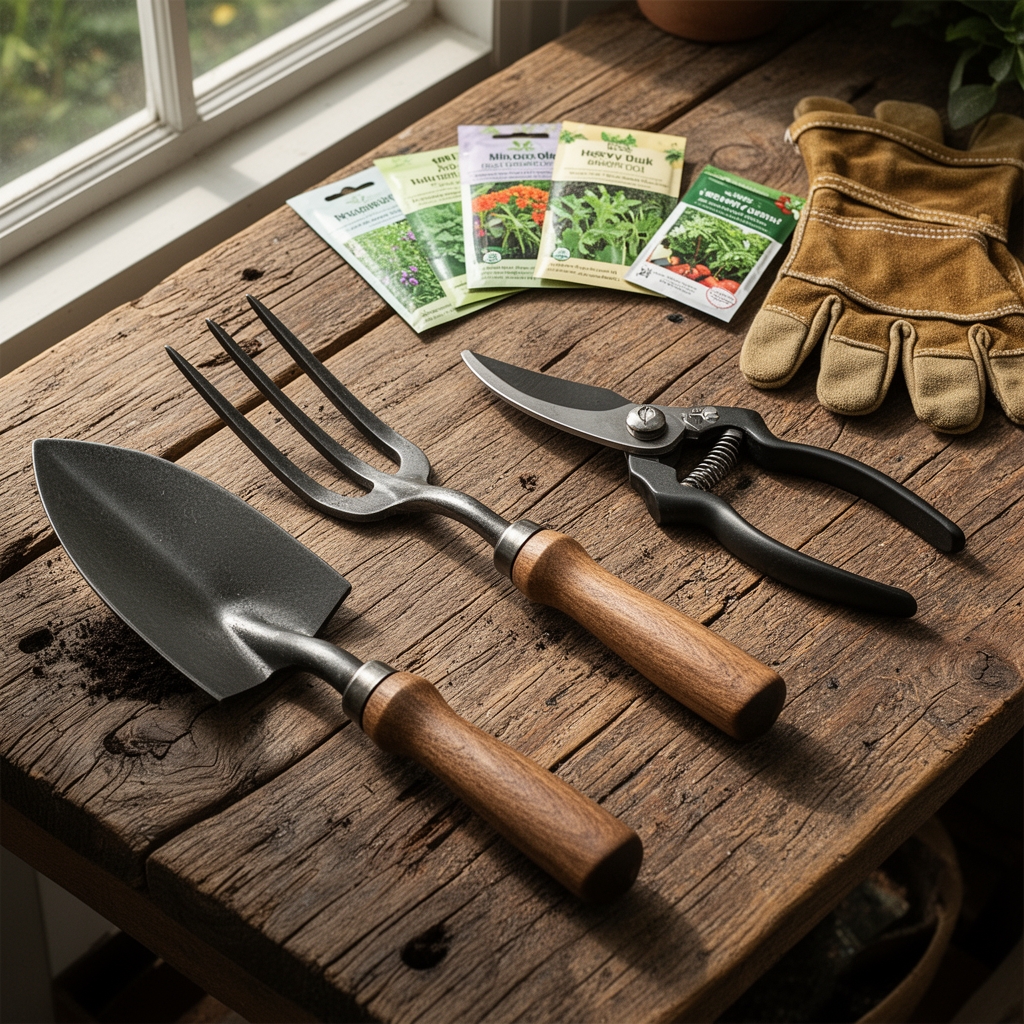
Select files by tooth pattern and length. Mill bastard files feature medium-coarse, single-cut teeth arranged at 65-degree angles, ideal for carbon-steel hoes and spades. Smooth files with double-cut teeth at finer spacing work best on stainless pruner blades and grafting knives. A 10-inch flat mill file handles most garden implements. An 8-inch half-round file reaches curved sickle edges and the concave bevels on dibbers.
Handles matter as much as teeth. Hardwood handles resist splintering under the lateral forces of file strokes. Rubber-dipped grips reduce blistering during extended sharpening sessions. A file card with short, stiff bristles clears metal filings from tooth valleys, maintaining cutting efficiency. Apply chalk dust to file teeth before use; it prevents steel particles from welding into the file's surface, extending usable life by 40 percent.
Store files in a roll or individual sleeves. Contact between file teeth degrades cutting edges. A canvas tool roll with individual pockets isolates each file while allowing air circulation to prevent rust. Light machine oil on a cloth, wiped over teeth after each use, displaces moisture and inhibits oxidation without attracting dust.
Timing
Sharpen tools during dormant-season lulls in USDA Hardiness Zones 3 through 7, typically December through February. Spring rushes from last frost to first planting leave little time for maintenance. In Zones 8 through 10, sharpen during the brief cool windows in late November or early January when soil is too wet to work.
Inspect edges weekly during peak growing season. A thumbnail dragged perpendicular across a hoe's edge should catch slightly; if it slides smoothly, the tool needs filing. Prune cuts that crush stems rather than sever cleanly indicate dull blades. Address dullness immediately; forcing blunt tools through plant tissue spreads pathogens by creating ragged wounds that resist callusing.
Allocate 15 minutes per tool for basic resharpening, 45 minutes for restoring a neglected edge. A spade shovel requires 60 to 80 file strokes to reestablish a 25-degree bevel. Hoes demand 40 to 50 strokes per side. Pruner blades need 15 to 20 strokes on the beveled side only; filing the flat side destroys blade-to-anvil geometry.
Phases

Sowing
Secure the tool in a bench vise with the edge facing away from your body at waist height. Position the file at the existing bevel angle, typically 20 to 30 degrees for digging tools, 15 to 20 degrees for cutting tools. Push the file forward in smooth, even strokes, lifting slightly on the return to avoid dulling teeth. Count strokes per section to maintain uniform pressure and consistent bevel geometry.
Pro-Tip: Mark the original bevel angle with a permanent marker before filing. The ink disappears where the file removes metal, providing instant visual feedback on coverage and preventing over-filing in one area.
Transplanting
Remove burrs from the opposite edge with light file strokes or a whetstone. A wire edge or burr forms where metal rolls over during filing. Run your thumb carefully along the back edge; a burr feels like a thin, raised wire. Two to three light strokes on the reverse side, holding the file flat against the surface, eliminates it. Burrs catch on roots and dull rapidly during use.
Pro-Tip: Test sharpness on a sheet of printer paper held vertically. A properly sharpened edge slices cleanly without tearing. This test works for hoes, spades, and pruners, revealing inconsistencies in bevel geometry that feel sharp to the thumb but fail under load.
Establishing
Clean the freshly filed edge with a solvent to remove metal particles and filing debris. Apply a thin coat of linseed oil to carbon steel to prevent flash rust in humid climates. Stainless blades require no coating but benefit from a wipe with a dry cloth to remove fingerprints and residual oil. Store tools with edges protected by blade guards or hung separately to prevent accidental contact that chips fresh edges.
Pro-Tip: Strop pruner blades on leather charged with chromium oxide compound after filing. Ten strokes per side polishes microscopic teeth left by file marks, reducing sap adhesion and cutting friction by measurable percentages.
Troubleshooting
Symptom: File skates across metal without cutting.
Solution: The file is clogged with metal particles or worn smooth. Clean teeth with a file card, brushing diagonally across tooth rows. If cleaning fails, replace the file. Files lose approximately 15 percent of cutting ability after 40 hours of use.
Symptom: Uneven bevel creates a wavy edge.
Solution: Inconsistent file angle or pressure. Clamp a wooden guide block at the correct bevel angle against the tool. Rest the file against the guide during strokes to maintain geometry. Count strokes per section and apply equal pressure.
Symptom: Edge dulls within one hour of work.
Solution: Bevel angle too acute for the task. Digging in rocky or clay soil requires 30-degree bevels for durability. Steeper angles cut easily but fold over under stress. Refile at a more obtuse angle, sacrificing initial keenness for edge retention.
Symptom: Metal chips appear along the edge.
Solution: Hardened steel or excessive force during filing. Check tool hardness with a new file; if it skates without biting, the steel is too hard for standard files. Use diamond-coated files for hardened stainless steel. Reduce pressure and increase stroke count for even material removal.
Maintenance
File teeth self-clean through use but accumulate debris in humid environments. Brush file cards through teeth after every 20 strokes during use. Store files with a light coat of mineral oil in low-humidity conditions below 50 percent relative humidity. Hang files vertically or lay them flat in individual compartments. Discard files when teeth no longer bite fresh metal after thorough cleaning. Most 10-inch mill files last 60 to 80 sharpening sessions under normal garden tool maintenance schedules.
FAQ
How often should I sharpen garden tools?
Sharpen hoes and spades every 8 to 10 hours of soil contact. Pruners need attention after cutting 200 to 300 branches or when they crush instead of cut.
Can I use a grinder instead of a file?
Bench grinders remove metal quickly but generate heat above 400 degrees Fahrenheit, which destroys temper in carbon steel. Files cut slowly at ambient temperature, preserving hardness.
What angle should I file a hoe blade?
Use 25 degrees for stirrup hoes in average soil, 30 degrees for collinear hoes in clay or rocky ground. Measure with a protractor or purchase an angle guide.
Do stainless tools need different files?
Stainless steel is softer than carbon steel. Standard mill files work but dull faster. Diamond-coated files last longer on stainless but cost three times as much.
Should I file both sides of a pruner blade?
File only the beveled side. The flat side mates against the anvil. Filing it creates a gap that crushes stems instead of cutting cleanly.