7 Packing and Transport Steps for a Plant-Friendly Move
Learning how to prepare a plant-friendly apartment move begins weeks before the moving truck arrives. The roots of your potted monstera have grown into the drainage holes. Your fiddle-leaf fig has oriented its leaves toward a west-facing window. Each plant has adapted to its environment through careful auxin distribution and root architecture. Relocating these specimens without shock demands methodical preparation and an understanding of plant physiology under stress.
Materials
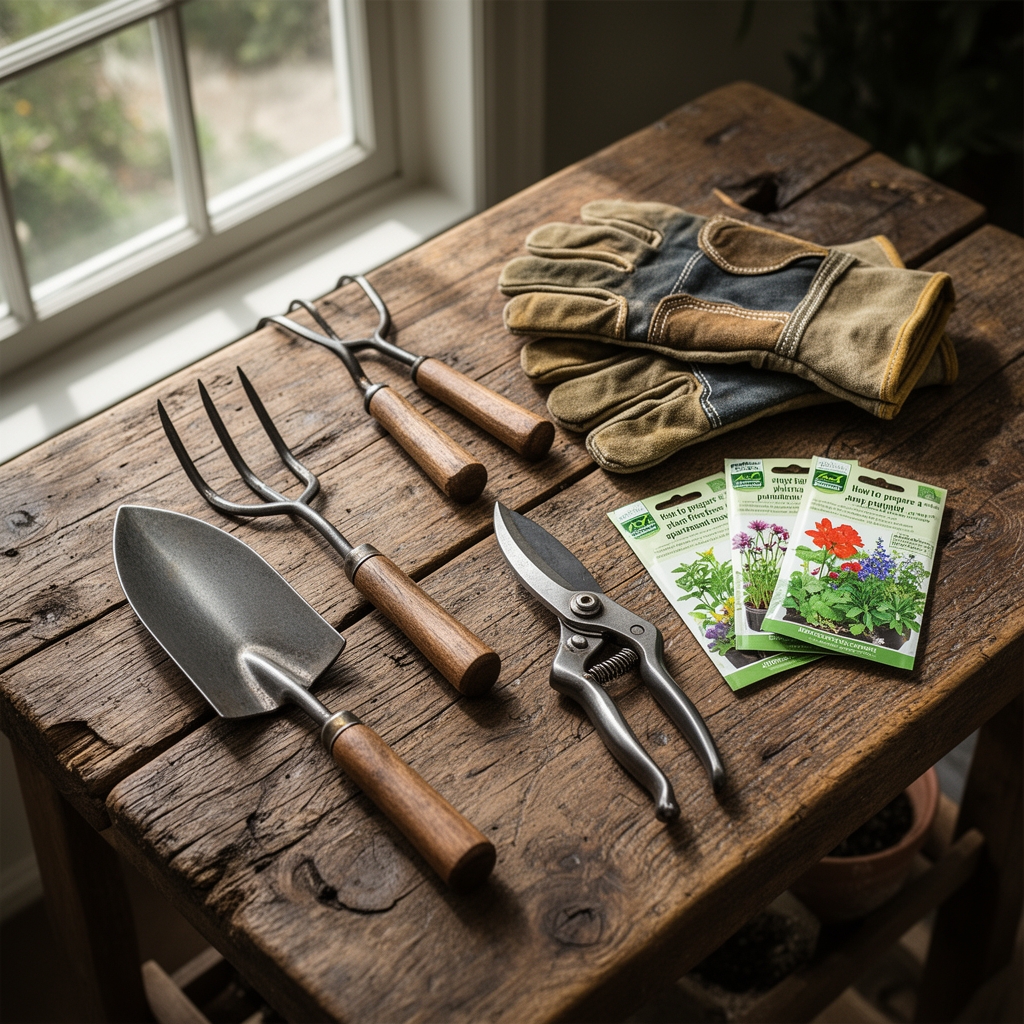
Gather corrugated cardboard boxes with ventilation holes punched at 4-inch intervals. Source newspaper without colored ink to wrap foliage. Purchase sphagnum moss (pH 4.0-5.0) to maintain moisture around root balls during transport. Acquire plastic nursery pots in graduated sizes from 4-inch to 12-inch diameters.
For nutrient support during the transition, stock a balanced organic fertilizer at 4-4-4 (nitrogen-phosphorus-potassium). The equal ratio prevents growth surges that stress plants adjusting to new light conditions. Include mycorrhizal fungi inoculant powder containing Glomus intraradices at 150 propagules per gram. This symbiotic relationship improves cation exchange capacity in new soil mixes.
Pack pruning shears sterilized with 70% isopropyl alcohol. Add plant ties made from soft cotton rather than wire. Prepare a spray bottle filled with distilled water and a kelp extract solution at 1 tablespoon per quart to reduce transplant shock through cytokinin delivery.
Timing
Schedule the move according to USDA Hardiness Zones and local frost dates. In Zones 7-9, move between March 15 and May 30 or September 1 and October 31. These windows align with moderate temperatures between 55°F and 75°F when plants experience minimal heat stress.
Avoid moving during active growth flushes. Most tropical houseplants push new leaves from April through July. This vegetative stage depletes carbohydrate reserves. Transport during semi-dormant periods when root systems maintain, rather than expand, their architecture.
For cold-climate moves (Zones 3-6), never transport when overnight temperatures drop below 40°F. Cellular damage occurs in tropical species like pothos and philodendron when exposed to sub-45°F conditions for more than 20 minutes.
Phases

Phase One: Pre-Move Conditioning (14 Days Before)
Reduce watering frequency by 30%. Drier root balls weigh less and suffer fewer broken roots during handling. Prune dead foliage and stems at 45-degree angles, 1/4 inch above nodes. This directs energy toward root maintenance rather than supporting damaged tissue.
Apply mycorrhizal inoculant to the root zone by removing the top 2 inches of soil and mixing in 1 teaspoon of powder per 6-inch pot. Water thoroughly to activate fungal spores.
Pro-Tip: Remove plants from decorative cache pots three days before moving. Confirm drainage holes remain clear and roots have not escaped containment. This prevents last-minute repotting emergencies.
Phase Two: Packing Protocol (Moving Day)
Water each plant exactly 48 hours before transport. This timing allows soil to reach field capacity without excess moisture that shifts during movement. Remove plants from ceramic or glass containers. Transfer into plastic nursery pots to reduce weight and breakage risk.
Wrap each pot's base in a plastic bag secured with plant ties to prevent soil spillage. Bundle foliage gently upward using newspaper columns. Secure stems without crushing petioles. The goal is immobilization, not compression.
Place pots in boxes with crumpled newspaper filling gaps. Stack boxes in climate-controlled vehicle space, never in enclosed trucks exceeding 85°F. Position boxes so plants remain upright. Lateral placement interrupts gravitropic responses and causes permanent stem bending in rigid species.
Pro-Tip: Label each box with the plant's previous light exposure (full sun, partial shade, low light). This accelerates correct placement in the new apartment and prevents photoinhibition.
Phase Three: Establishment (First 30 Days)
Unpack plants within 4 hours of arrival. Position each specimen in filtered light regardless of its permanent location. Direct sun after transport causes foliar burn due to depleted antioxidant reserves.
Water sparingly for the first week, providing 1/4 cup per 6-inch pot every three days. Root hairs damaged during movement cannot absorb moisture efficiently. Overwatering leads to anaerobic conditions and root rot.
On day 14, apply diluted fertilizer at half the recommended strength. Use the 4-4-4 organic blend at 1 tablespoon per gallon of water. Gradually increase light exposure by 1 hour daily until plants reach their permanent locations.
Pro-Tip: Monitor new leaf emergence as the primary health indicator. New growth within 21 days signals successful establishment.
Troubleshooting
Symptom: Yellowing lower leaves with soft, mushy stems.
Solution: Root rot from overwatering in stressed plants. Remove from soil, trim blackened roots with sterile shears, repot in fresh medium with 30% perlite for drainage. Withhold water for 5 days.
Symptom: Brown, crispy leaf margins despite adequate watering.
Solution: Low humidity shock. Apartment buildings often maintain 25% relative humidity. Increase to 50% using pebble trays filled with water beneath pots or run a cool-mist humidifier 6 feet from plant groupings.
Symptom: Sudden leaf drop without discoloration.
Solution: Ethylene gas exposure during transport. This phytohormone triggers abscission. Isolate affected plants. Resume normal care. New leaves emerge within 4-6 weeks once ethylene dissipates.
Symptom: White cottony masses at leaf axils.
Solution: Mealybug infestation exacerbated by transport stress. Dab insects with cotton swabs soaked in 70% isopropyl alcohol. Spray foliage with insecticidal soap at 2% concentration weekly for three treatments.
Symptom: Stunted growth and pale new leaves.
Solution: Nitrogen deficiency after rootball disturbance. Apply fish emulsion at 5-1-1 ratio, diluted to 1 tablespoon per gallon, every 10 days until foliage darkens.
Maintenance
Water established plants when the top 2 inches of soil feel dry to touch. Provide 1 inch of water per week, measured by placing a rain gauge or marked container beneath the pot. This equals approximately 0.6 gallons per square foot of pot surface area.
Maintain temperature between 65°F and 78°F. Avoid placement near heating vents, which create desiccating air currents, or air conditioning units that drop below 60°F.
Fertilize every 21 days during the growing season using the 4-4-4 organic blend at full strength. Suspend feeding from November through February in northern climates.
Rotate pots 90 degrees weekly to promote even canopy development. Uneven light exposure causes phototropic bending that weakens stem structure.
FAQ
How long do plants take to recover from moving?
Most herbaceous species stabilize within 14-21 days. Woody plants like ficus require 45-60 days to re-establish hydraulic conductivity in disrupted vascular tissue.
Can I move plants in winter?
Transport tropical species only when ambient temperature exceeds 50°F. Use insulated blankets and pre-warmed vehicles for trips under 30 minutes in Zones 5-6.
Should I repot immediately after moving?
No. Wait 30 days minimum. Repotting compounds stress by damaging regenerating root hairs. Exception: If root rot is present, immediate intervention prevents total loss.
Do plants need fertilizer right after a move?
Delay feeding for 14 days. Damaged roots cannot process nutrients efficiently. Premature fertilization causes salt accumulation and tip burn.
What light level is safest initially?
Place all plants in bright, indirect light (200-400 foot-candles) for the first week. Gradually transition sun-loving species to direct exposure over 10 days to rebuild photoprotective pigments.