6 Management Steps: Using a Garden Knife for Precision Vegetable Weeding
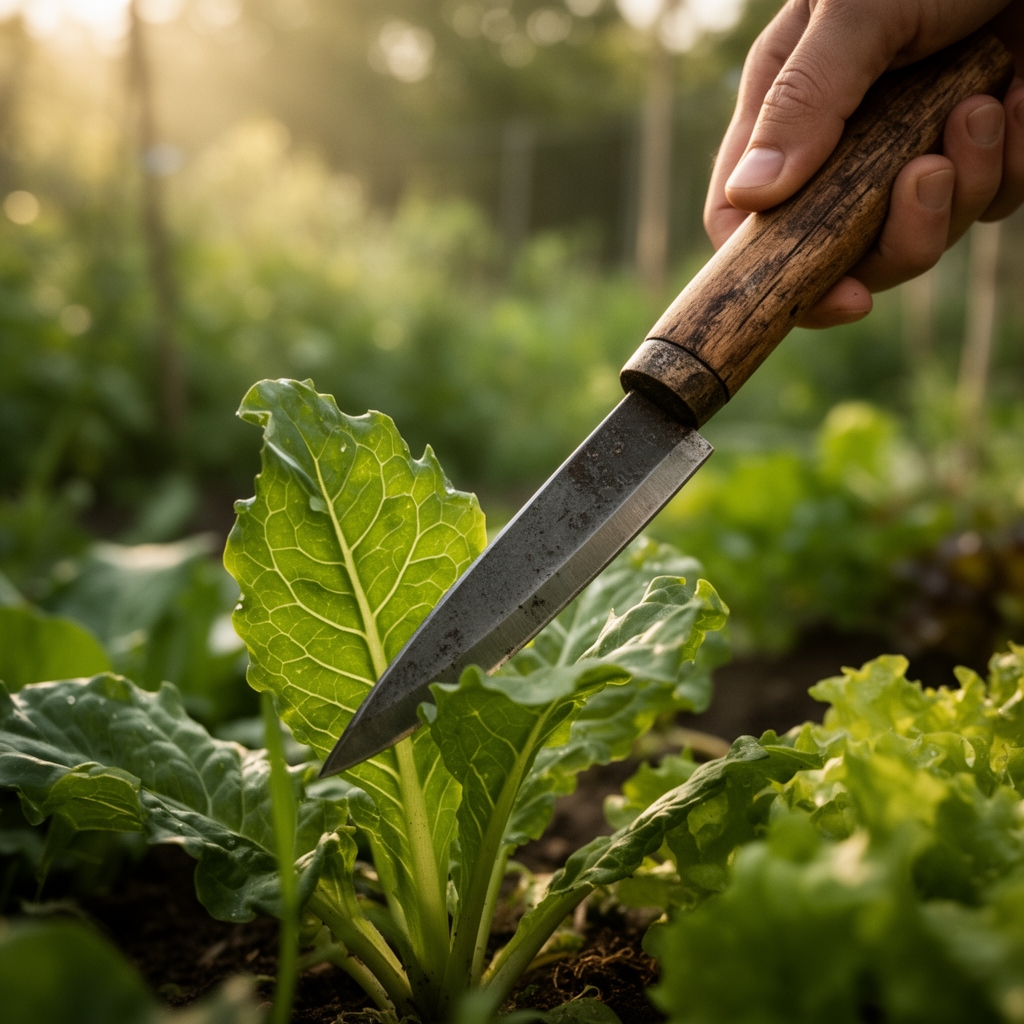
The serrated edge of a garden knife bites through fibrous taproot tissue with surgical precision, severing perennial weed crowns two inches below the soil line before they rob your tomatoes of nitrogen. Using a garden knife for vegetable weeding transforms hand-weeding from a tedious chore into a targeted intervention that protects shallow vegetable roots while eliminating competition for nutrients and water. The blade glides through soil aggregates without the broad disruption of hoe cultivation, preserving beneficial mycorrhizal networks that extend from your crop root hairs into surrounding soil horizons.
Materials and Soil Preparation
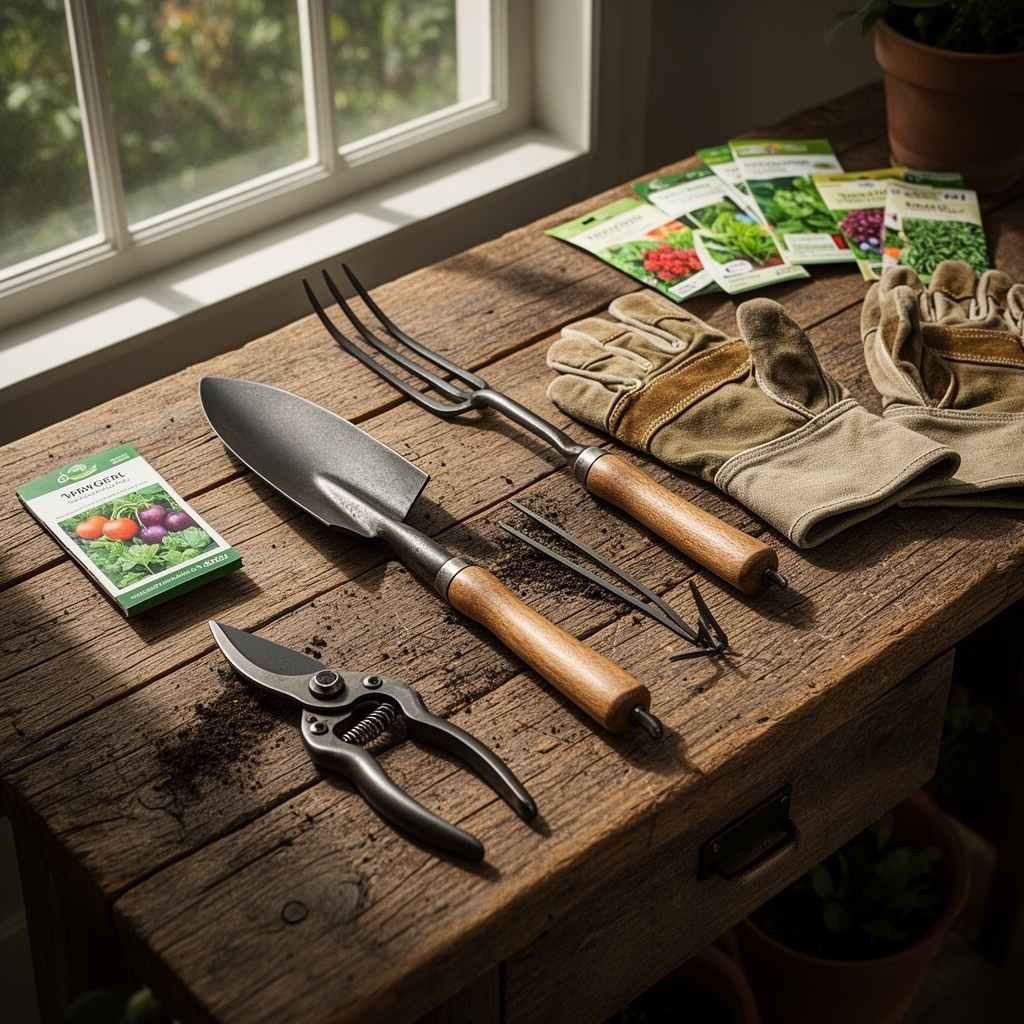
Select a garden knife with a 6- to 7-inch stainless steel blade that features both a straight edge and a serrated edge. Japanese hori-hori models work well in loam and sandy loam soils with pH between 6.0 and 6.8. Korean hand plows with forked tips excel in clay soils where cation exchange capacity exceeds 25 meq/100g.
Before weeding season begins, amend beds with a balanced 4-4-4 organic fertilizer at 2 pounds per 100 square feet to ensure crop vigor outpaces weed regrowth. In alkaline soils above pH 7.2, incorporate elemental sulfur at 1 pound per 100 square feet to improve nutrient availability. Apply a 2-inch layer of aged compost with a carbon-to-nitrogen ratio of 25:1 to suppress annual weed germination while feeding soil microorganisms that compete with weed seed banks.
Conduct a soil test to measure baseline phosphorus and potassium levels. If phosphorus drops below 25 ppm, side-dress with bone meal at 3-4-3 analysis, applied 4 inches from plant stems. Potassium deficiency below 150 ppm warrants kelp meal addition at 1-0-2 analysis to strengthen cell walls in both crops and their ability to resist mechanical stress during weeding operations.
Timing and Climate Considerations
In USDA Hardiness Zones 5 through 7, begin using a garden knife for vegetable weeding 14 days after the last spring frost date, when soil temperatures stabilize above 55°F and weed seedlings emerge in force. This window typically spans late April through mid-May. Summer weeding cycles repeat every 10 to 14 days during active growth periods when auxin distribution in weed meristems peaks.
Zones 8 and 9 require winter weeding attention from December through February, targeting cool-season perennials like dandelion and dock that complete 60% of their root carbohydrate storage during shortened photoperiods. Fall sessions in September capture late-season annual weeds before seed set, preventing 80% of next year's germination pressure.
Weed when soil moisture sits at field capacity, approximately 24 hours after irrigation or rain. Overly dry soil resists blade penetration and shatters weed roots rather than extracting them intact. Saturated conditions cause root fragments to slip from the blade, leaving regenerative tissue behind.
Management Phases

Sowing Phase: During direct-seeding of carrots, beets, and beans, mark crop rows with taut twine to establish clear weeding lanes. Insert the knife blade at a 45-degree angle, cutting 1.5 inches deep between rows to sever emerging grass and broadleaf seedlings without disturbing crop seeds in their germination zone. Remove weed biomass to prevent allelopathic compound release as tissues decompose.
Pro-Tip: Inoculate the root zone with Rhizophagus irregularis spores at 10 propagules per gram of soil before weeding begins. The fungal hyphae colonize crop roots and extend foraging networks that claim soil volume faster than weed root systems can establish.
Transplanting Phase: Seven days after setting transplants, circle each vegetable plant with the knife blade, creating a 4-inch radius cleared zone. Cut vertically to 3 inches depth around brassicas and nightshades, whose tap and lateral roots occupy this critical space. Use the serrated edge on mature perennial weed crowns, employing a sawing motion to separate fibrous root masses.
Pro-Tip: Prune severed weed roots at a 30-degree angle when working within 6 inches of transplant root balls. This angle minimizes accidental crop root damage if the blade drifts during extraction.
Establishing Phase: Once crops develop true leaves and secondary roots extend beyond 6 inches, shift to perimeter weeding that protects established root architecture. Insert the blade parallel to crop rows, angling away from plant centers. Lever the handle to pop weed root systems from soil while leaving crop roots undisturbed in their mycorrhizal sheaths.
Pro-Tip: Leave severed annual weed tops as surface mulch between widely spaced crops like squash or tomatoes. The decomposing tissue contributes 0.3 pounds of nitrogen per 100 square feet over 30 days while shading soil to suppress secondary weed flushes.
Troubleshooting Common Issues
Symptom: Weed regrowth within 5 days of removal, particularly bindweed and nutsedge.
Solution: These perennials store energy in rhizomes and tubers 8 to 12 inches deep. After surface removal, excavate with the knife tip to trace and extract underground storage organs. Repeat every 7 days for 6 weeks to exhaust carbohydrate reserves.
Symptom: Crop root exposure or damage visible after weeding sessions.
Solution: Reduce blade insertion depth to 2 inches in zones within 8 inches of crop stems. Switch to a smaller blade profile for tight spacing. Avoid weeding during peak midday heat when plants exhibit turgor loss, making root systems more fragile.
Symptom: Blade dulling after 2 to 3 weeding sessions in heavy clay.
Solution: Hone the blade at a 20-degree angle using a 1000-grit whetstone after each use. Clay particles and silica in soil abrade steel rapidly. Apply food-grade mineral oil to the blade after sharpening to reduce soil adhesion.
Symptom: Persistent chickweed and henbit despite regular knife weeding.
Solution: These shallow-rooted annuals respond to soil compaction and nitrogen excess. Reduce soluble nitrogen inputs by 30% and aerate soil to 6 inches depth between crop rows to favor deep-rooted vegetables over opportunistic weeds.
Symptom: Increased slug damage on crops following weed removal.
Solution: Removed weed biomass creates humid microclimates attractive to gastropods. Immediately remove severed weeds from the garden or compost them hot at 140°F to eliminate habitat.
Ongoing Maintenance Schedule
Apply 1 inch of water per week to crops, delivered in a single deep irrigation. This regime encourages crop roots to grow downward past the 3-inch zone where knife weeding occurs, while shallow weed roots remain in the desiccation zone between waterings.
Sharpen the garden knife after every 4 hours of use or when blade drag increases noticeably. A sharp edge severs fibrous roots cleanly, reducing regrowth by 40% compared to torn tissue from dull blades.
Scout for weed emergence every 3 days during peak growing season. Remove weeds when they reach the cotyledon to two-true-leaf stage, before tap roots extend past 2 inches. Early intervention reduces weeding time by 65% compared to tackling established plants.
Rotate crops annually to disrupt weed species adapted to specific vegetable families. Follow heavy feeders like tomatoes with legumes that fix atmospheric nitrogen at 2 to 3 pounds per 100 square feet, reducing the fertility advantage that aggressive weeds exploit.
Frequently Asked Questions
What depth should I cut when using a garden knife for vegetable weeding?
Cut 1.5 to 3 inches deep for annual weeds, severing just below the root crown. Perennials require 4 to 6 inches to remove regenerative tissue completely.
Can knife weeding damage beneficial soil organisms?
Localized cutting causes minimal disruption compared to rototilling. Bacterial and fungal populations recover within 48 hours in biologically active soils with 4% organic matter content.
How often should I weed around established vegetables?
Inspect every 3 to 5 days. Remove weeds immediately upon emergence. Established crops tolerate brief weed presence better than repeated deep cultivation.
Does knife weeding work in heavy mulch layers?
Pull mulch back 2 inches from plant stems before cutting. The blade functions best in direct soil contact. Replace mulch after completing the session.
Which vegetables benefit most from precision knife weeding?
Shallow-rooted crops like lettuce, onions, and celery suffer significant yield loss from hoe cultivation damage. These species show 15% to 25% yield increases when knife-weeded versus hoe-cultivated.