9 Precision Steps: Using a Garden Cutter for Harvesting Leafy Vegetable Stems
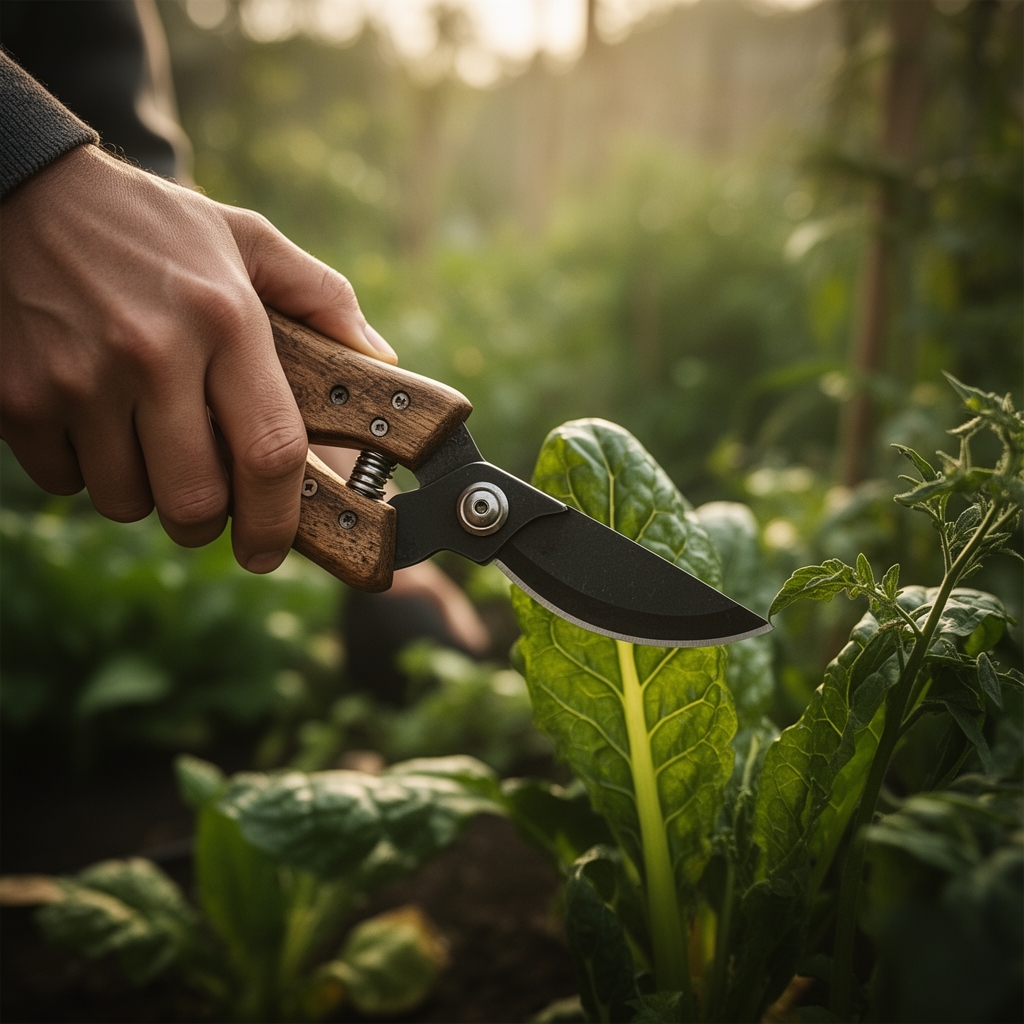
The crisp snap of a kale stem separates cleanly when you press a freshly sharpened garden cutter through its fibrous core. That sound means precision. That sound means the plant seals its wound quickly, your harvest stays fresh longer, and you avoid the ragged tears that invite disease. Using a garden cutter for vegetable stems transforms casual picking into surgical efficiency, whether you're working through a bed of chard at dawn or selectively harvesting collard greens under August heat. The right tool paired with proper technique extends your plant's productive life by weeks and delivers cleaner, market-quality stems every single time.
Materials & Supplies
Cutting Tools
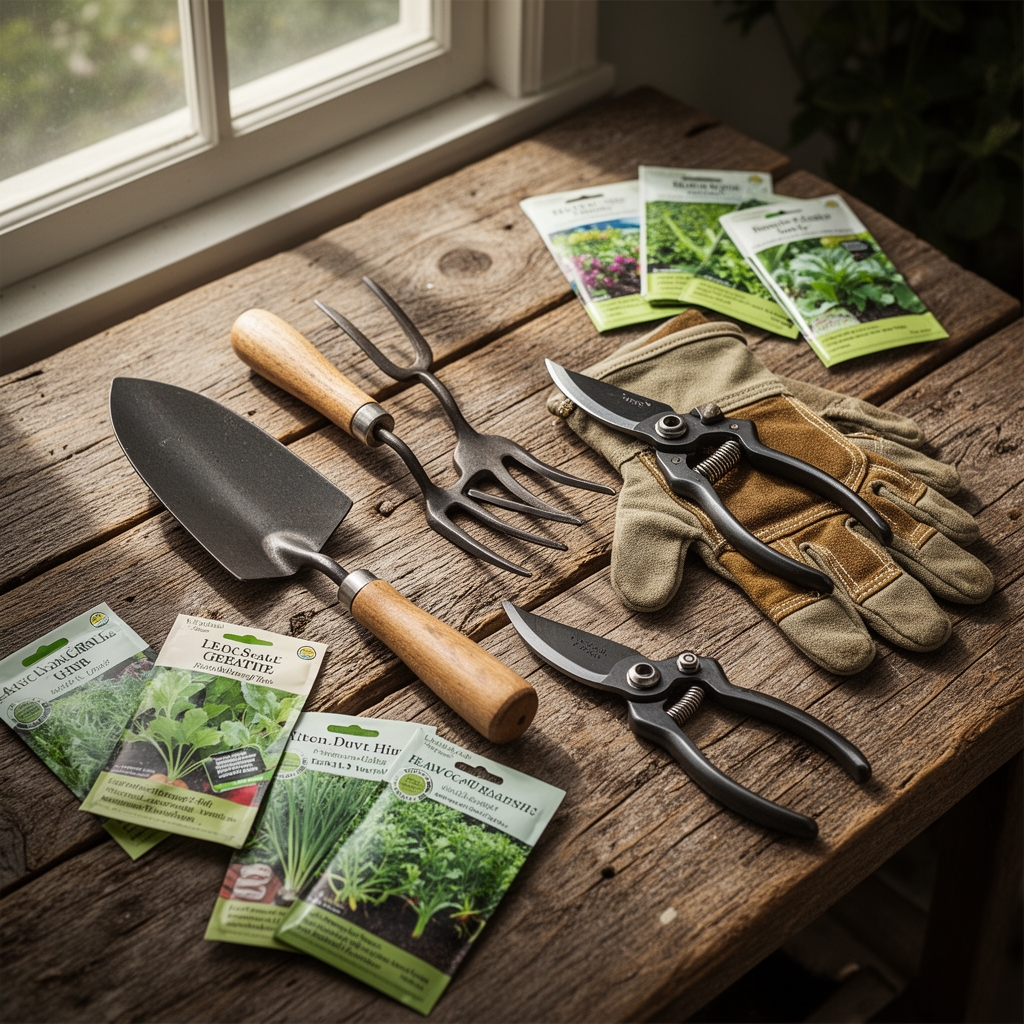
- Hori-hori garden knife with 7-inch stainless steel blade
- Bypass pruner with replaceable blades (Felco #2 or equivalent)
- Japanese garden cutter (nejiri gama) with 4-inch curved blade
- Sharpening stone (1000/6000 grit combination)
Soil & Fertility Inputs
- Compost (pH 6.0-7.0) with visible fungal threads
- Granular organic fertilizer (5-10-5 NPK ratio)
- Fish emulsion for foliar feeding (5-1-1 NPK)
- Mycorrhizal fungi inoculant for transplants
- Kelp meal for trace minerals (0-0-2 NPK plus micronutrients)
Harvest & Storage Supplies
- Perforated harvest basket for airflow
- Spray bottle with 70% isopropyl alcohol
- Food-grade wax paper for wrapping
- Root cellar or refrigerator at 32-40°F
Timing & Growing Schedule
Brassica Leafy Greens (kale, collards, broccoli raab) thrive in Zones 3-10 with 50-70 days to maturity. Start seeds indoors 6-8 weeks before last frost. Transplant when seedlings reach 3-4 true leaves and soil temperature stabilizes at 45°F.
Spinach & Asian Greens require 30-45 days from seed. Direct sow in Zones 4-9 two weeks before last spring frost or 8 weeks before first fall frost. Soil temperature between 35-75°F ensures germination.
Chard & Beet Greens need 55-60 days. Plant after last frost in Zones 3-11. These tolerate light frost (down to 28°F) and produce through autumn in most regions.
Heat-Tolerant Alternatives (amaranth, New Zealand spinach) replace traditional greens during summer. Plant when soil reaches 70°F with 60-70 days to harvest in Zones 5-11.
Step-by-Step Instructions for Harvesting
Step 1: Sterilize Your Blade
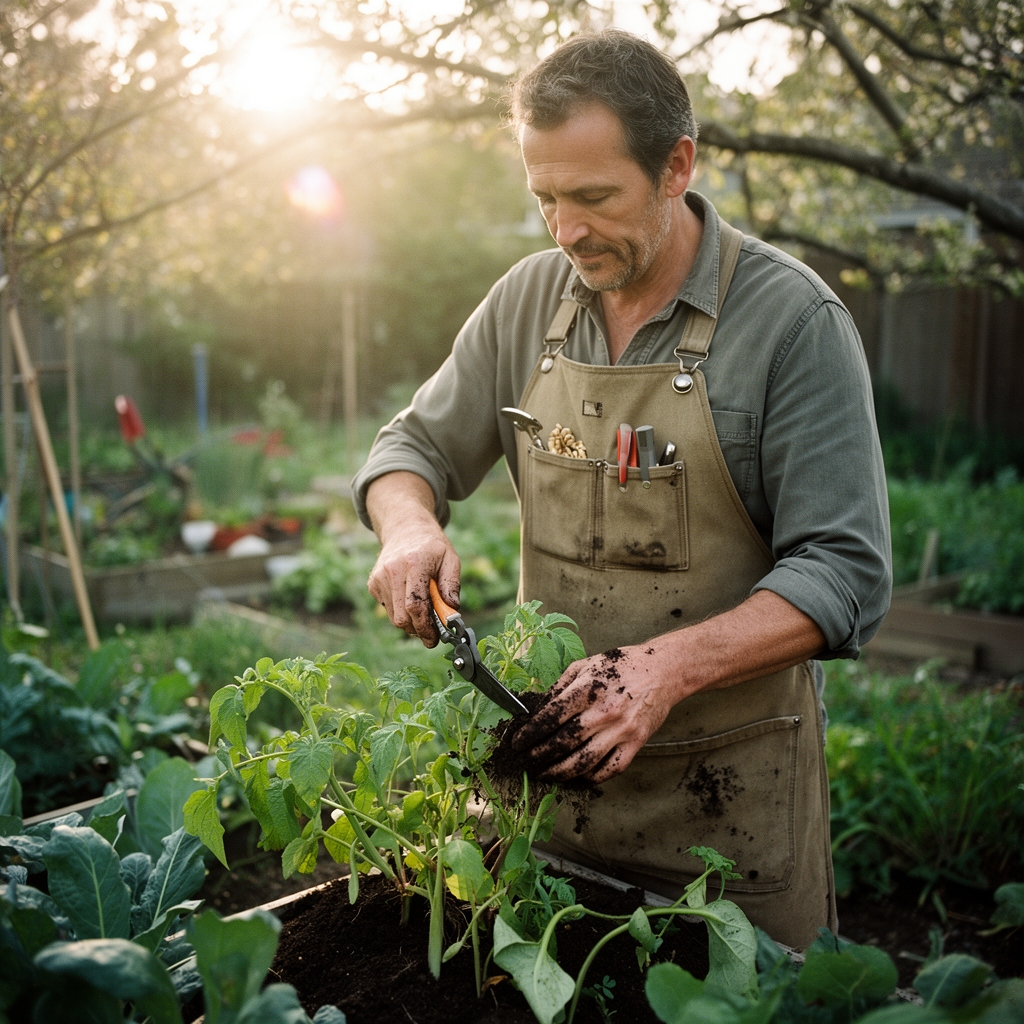
Wipe the cutting edge with alcohol-soaked cloth. This prevents bacterial soft rot and fungal pathogens that transfer between plants.
Pro-Tip: Sterilize between every third plant when working through a row, not just at day's start.
Step 2: Identify Harvest-Ready Stems
Select outer leaves measuring 6-10 inches on kale, 8-12 inches on chard. The stem should snap when bent, not fold limply. Inner crown leaves (center 4-6 leaves) must remain intact for continued production.
Pro-Tip: Harvest before 10 a.m. when cells are fully hydrated. Afternoon-cut stems wilt 40% faster.
Step 3: Position the Cut
Place blade 1/2 inch above the point where the stem meets the main stalk. Angle the cut 45 degrees downward to prevent water pooling on the wound surface.
Pro-Tip: Leave a stub. Complete flush cuts damage the cambium layer and slow regrowth.
Step 4: Execute Clean Separation
Apply firm, steady pressure in one continuous motion. Avoid sawing or twisting. The stem should separate with minimal resistance.
Pro-Tip: Dull blades crush vascular tissue. Sharpen after every 50 cuts or when you feel compression before separation.
Step 5: Remove Damaged Material
Cut away any leaves with holes, yellowing, or aphid colonies. Compose these separately from healthy harvests.
Pro-Tip: Slug-damaged leaves left on plants signal continued feeding sites. Remove them completely.
Step 6: Inspect the Crown
Check where you cut for oozing sap or discoloration. Healthy cuts appear light green to white inside, never brown or water-soaked.
Step 7: Stage Your Harvest
Place stems in perforated basket with cut ends facing down. Never stack more than 4 inches deep or bottom layers bruise.
Pro-Tip: Mist lightly if you're harvesting in heat above 80°F. Each minute in sun costs shelf life.
Step 8: Process Within 30 Minutes
Rinse stems in cold water, shake dry, and wrap in barely damp paper. This "field heat" removal extends storage from 3 days to 10 days.
Pro-Tip: Submerge stem ends in 2 inches of water for 10 minutes before storage. Cells rehydrate like cut flowers.
Step 9: Monitor Regrowth
Check plants 48 hours post-harvest. New leaf buds should be visible at cut sites. If not, reduce nitrogen and increase potassium (switch to 2-5-5 NPK).
Pro-Tip: Side-dress with 1/4 cup kelp meal per plant after heavy harvests. Trace minerals accelerate cell division.
Nutritional & Environmental Benefits
Leafy greens harvested at peak maturity contain 30-50% more iron, calcium, and vitamin K than grocery equivalents picked days earlier. Kale delivers 200% of daily vitamin A needs per cup. Chard provides significant magnesium for muscle function and manganese for bone health.
Home-grown greens support local pollinator populations. While leafy vegetables don't flower during harvest phase, allowing one plant to bolt feeds native bees, syrphid flies, and beneficial wasps. These predators control aphids and cabbage worms in subsequent plantings.
Continuous stem harvesting promotes nitrogen fixation when you interplant with legumes. The frequent disturbance and organic matter from trimmed lower leaves feed soil microbiomes, increasing humus content by 2-3% annually in established beds.
Advanced Methods for Experienced Growers
Small Space Optimization
Vertical trellis systems work for vining Malabar spinach and climbing spinach varieties. Install 6-foot stakes with horizontal wires every 12 inches. Harvest stems from bottom up, maintaining top growth for photosynthesis. This method yields 3x more per square foot than traditional rows.
Permaculture Integration
Underplant fruit trees with shade-tolerant greens (mache, claytonia, minutina). These accumulate nutrients from tree root zones and provide living mulch. Harvest stems without disturbing tree roots. The dynamic accumulator effect pulls potassium and trace minerals from subsoil.
Season Extension Techniques
Low tunnels with 6-mil greenhouse plastic extend harvests 4-6 weeks into winter in Zones 5-7. Vent tunnels when internal temperature exceeds 60°F. Cold-hardy varieties (Winterbor kale, Giant Winter spinach) tolerate temperatures to 10°F under cover. Install rigid row covers on hoops 18 inches above plants for maximum air circulation and easy access during harvest.
Succession Planting Protocol
Sow new rows every 14 days from spring through fall. This staggers maturity and prevents harvest overload. Mark planting dates on garden stakes to track cutting schedules. Rotate cutting locations to give each planting 7-10 days recovery between harvests.
Troubleshooting Common Mistakes
Symptom: Stems regrow slowly with pale yellow leaves.
Solution: Apply fish emulsion (diluted 1:4) as foliar spray every 7 days. Test soil pH. Brassicas need 6.0-7.5. Below 5.8, add dolomitic lime at 5 pounds per 100 square feet.
Symptom: Cut surfaces turn brown and mushy within 24 hours.
Solution: You're crushing stems with dull blades. Sharpen immediately. Reduce harvest frequency to every 10 days until plants recover vigor.
Symptom: Plants bolt (flower) prematurely after heavy cutting.
Solution: Environmental stress triggered reproductive mode. Increase watering to 1.5 inches per week. Shade with 30% shade cloth during heat waves. Remove flower stalks immediately and reduce harvest intensity by 50%.
Symptom: Lower stems develop black spots post-harvest.
Solution: Alternaria leaf spot entered through wounds. Improve air circulation by spacing plants 18 inches apart. Water at soil level only. Apply copper fungicide (organic formulation) every 10 days.
Symptom: New growth emerges distorted with curled edges.
Solution: Aphid feeding damage. Blast colonies with strong water spray. Release ladybugs at dusk (500 per 50 square feet). They don't fly at night and establish better. Follow with weekly neem oil applications.
Storage & Maintenance Guidelines
Watering Protocol
Provide 1 inch of water weekly through drip irrigation or soaker hoses. After harvest, increase to 1.5 inches for 7 days to support rapid regrowth. Water in early morning to reduce foliar disease pressure. Mulch with 2 inches of straw to maintain consistent soil moisture.
Feeding Schedule
Side-dress with compost (1 inch layer) every 3 weeks during active growth. Apply granular fertilizer (5-10-5) at 2 tablespoons per plant monthly. Alternate with liquid kelp spray (diluted per label) for trace elements. Stop feeding 2 weeks before first expected frost to harden plants for winter.
Tool Maintenance
Clean blades after each use with warm soapy water. Dry completely to prevent rust. Oil pivot points on pruners monthly with 3-in-1 oil. Sharpen blades when you notice compression resistance. A sharp blade glides through stems with minimal pressure.
Post-Harvest Storage
Wrap unwashed stems loosely in dry paper towels, then place in perforated plastic bags. Store at 32-36°F with 95% humidity. Most greens last 7-10 days this way. Check daily and remove any yellowing leaves. Wash only before use to prevent premature wilting.
Conclusion: Your Precision Harvest Success Blueprint
Using a garden cutter for vegetable stems delivers professional results through proper tool selection, timing, and technique. The nine steps outlined here maximize plant productivity while ensuring your harvests reach peak nutritional value and storage life. This systematic approach turns a simple cutting task into a skill that compounds value across every growing season.
Share your stem-cutting techniques and favorite leafy varieties in the community forum. Post photos of your cleanest cuts and help beginning growers learn the difference between precision harvesting and plant damage.
Expert FAQs
How often can I harvest stems from the same kale plant?
Cut outer leaves every 7-10 days once plants reach 12 inches tall. Leave at least 4-6 center leaves intact. Healthy plants produce for 6-8 months with this schedule. Reduce frequency if new growth slows or leaves become smaller.
What's the best garden cutter type for thick chard stems?
Bypass pruners with 3/4-inch cutting capacity handle chard stems cleanly. Hori-hori knives work but require more hand strength. Avoid anvil-style pruners, which crush rather than slice vascular tissue.
Should I cut or twist when harvesting leafy greens?
Always cut with a sharp blade. Twisting tears the main stem's vascular bundles and creates entry points for disease. Clean cuts heal in 24-48 hours; twisted wounds stay open for weeks.
Can I harvest leafy vegetables after frost?
Yes, for cold-hardy varieties. Light frost (28-32°F) actually sweetens kale, collards, and spinach by converting starches to sugars. Wait until leaves thaw completely before cutting. Frozen tissue shatters and won't store well.
How do I know if I'm over-harvesting my greens?
Watch for these signs: new leaves smaller than previous growth, stems thinner than pencil width, yellowing of remaining foliage, or regrowth taking longer than 10 days. Reduce harvest intensity by 50% and apply fish emulsion fertilizer to recover plant vigor.