9 Brewing and Application Steps to Use Indoor Compost Tea
The first bubbles rising through aerated water signal a transformation already underway. Living organisms multiply in counts reaching 10^9 colony-forming units per milliliter, readying themselves to colonize root zones and leaf surfaces. Using a compost tea for indoor plant health delivers these beneficial microbes directly to containers where sterilized potting mixes often lack biological diversity. The brew smells earthy, never putrid, and carries dissolved nutrients alongside active bacteria and fungi that outcompete pathogens for niche space.
Materials
Assemble high-quality compost screened to 1/4-inch particle size. Finished vermicompost registers pH 6.8-7.2 and offers a balanced NPK ratio near 1-0.5-0.5, plus humic acids that improve cation exchange capacity. Thermophilic compost from hot bins typically shows 1-1-1 ratios when aged six months. Add one cup of unsulfured molasses per five gallons to feed bacterial populations during brewing. Kelp meal (1-0.2-2) introduces cytokinins and trace minerals, particularly beneficial for foliage density. Fish hydrolysate at 4-1-1 accelerates fungal growth when combined with oat flour or ground oats at two tablespoons per gallon.
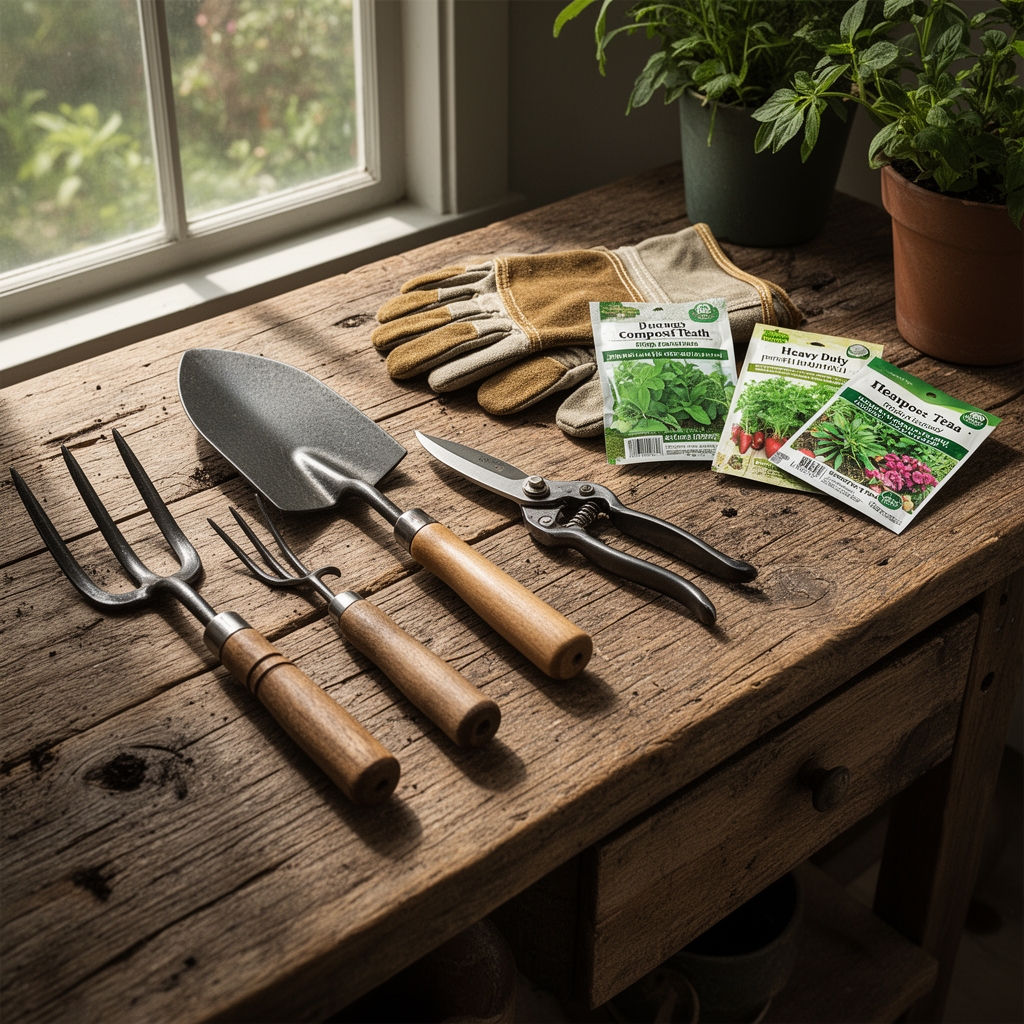
Equipment requirements include a five-gallon food-grade bucket, aquarium air pump rated 10 watts minimum, and rigid airline tubing connected to a 6-inch air stone. Dechlorinated water is mandatory. Municipal water containing more than 0.5 ppm chlorine or any chloramine will suppress microbial populations. Aerate tap water for 24 hours or use rainwater collected in clean polyethylene barrels.
Timing
Indoor compost tea application follows active growth periods. For tropical houseplants in zones 10-11 equivalents (maintained at 65-75°F indoors), apply every 14 days from March through September when photoperiod and auxin distribution drive vegetative expansion. Reduce to monthly applications October through February when metabolic rates decline. Temperate perennials overwintered indoors (zones 4-7) benefit from biweekly applications starting two weeks after last frost date equivalent (when outdoor parent stock would break dormancy) through first frost date equivalent, typically spanning 20-24 weeks.
Seedlings require diluted applications. Wait until true leaves emerge and root systems extend beyond the germination plug before first exposure.
Phases
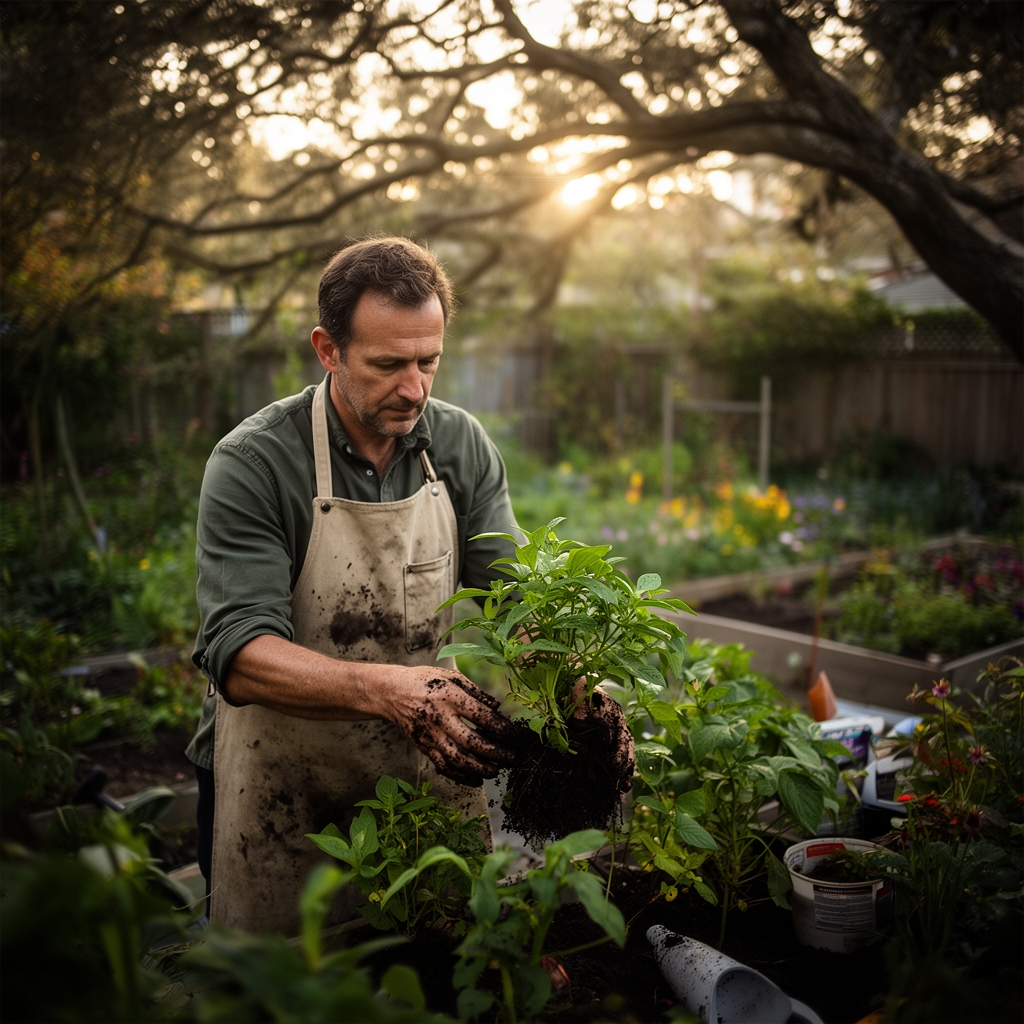
Sowing Phase: Begin brewing 24 hours before transplanting seedlings into final containers. Combine four cups finished compost, two tablespoons molasses, and one tablespoon kelp meal in five gallons dechlorinated water. Maintain water temperature at 68-72°F using aquarium heater if ambient conditions fall below this range. Aeration must produce rolling turbulence across the entire water surface. Harvest tea between 18-24 hours when dissolved oxygen exceeds 6 ppm (test with aquarium DO meter). Drench seedling root balls by submerging for 30 seconds immediately before potting.
Pro-Tip: Inoculate with endomycorrhizal fungi (Rhizophagus irregularis) by dusting 1/4 teaspoon granules directly onto moistened roots during transplant. Mycorrhizal colonization increases phosphorus uptake efficiency by 40-60%.
Transplanting Phase: Brew fungal-dominant tea for establishing woody stems and perennials. Add three tablespoons oat flour to standard recipe and extend brewing time to 36 hours. Temperature should drop to 65-68°F to favor fungal hyphae over bacterial flagellates. Apply two cups per six-inch pot, four cups per gallon container, saturating root zone completely. Wait seven days before next application to allow hyphal networks to establish without competition from successive bacterial blooms.
Pro-Tip: Prune terminal shoots at 45-degree angles immediately after transplant drenching to stimulate auxin redistribution toward lateral bud formation.
Establishing Phase: Switch to balanced bacterial-fungal tea once new growth appears (typically 10-14 days post-transplant). Standard recipe with 24-hour brew time supports both groups equally. Apply as foliar spray using pump sprayer with 400-micron filter screen to prevent clogging. Spray until runoff occurs on all leaf surfaces, targeting abaxial (lower) stomatal regions. Schedule applications two hours after sunrise when stomata open widest. Soil drench every 14 days; foliar spray weekly during peak growth.
Pro-Tip: Monitor electrical conductivity of tea before application. Target 1.2-1.8 mS/cm for established plants. Higher readings indicate excess soluble salts requiring dilution at 1:1 ratio with dechlorinated water.
Troubleshooting
Symptom: Tea develops ammonia odor or sulfur smell.
Solution: Anaerobic conditions occurred. Discard batch immediately. Verify air pump delivers 0.05 cfm per gallon minimum. Clean air stones weekly with hydrogen peroxide solution (3%) to remove biofilm blockages.
Symptom: White film on leaf surfaces 24 hours post-spray.
Solution: Excess fungal spores or soluble calcium precipitate. Dilute foliar applications 2:1 water to tea ratio. Reduce oat flour to one tablespoon per five gallons in future batches.
Symptom: Yellow lower leaves despite regular feeding.
Solution: Nitrogen immobilization by carbon-rich tea. Supplement with blood meal (12-0-0) at one tablespoon per gallon container monthly, or switch to fish hydrolysate-dominant recipe increasing protein content to 6%.
Symptom: Fungus gnats increase after soil drenching.
Solution: Surface moisture attracts larvae. Apply tea, then top-dress with 1/4-inch layer milled sphagnum moss to dry surface while maintaining root zone moisture. Introduce Hypoaspis miles predatory mites at 25 per square foot.
Symptom: Root tip browning in seedlings.
Solution: Tea too concentrated for juvenile roots. Dilute 4:1 for plants under four weeks from germination. Electrical conductivity should not exceed 0.8 mS/cm for tender roots.
Maintenance
Water containers when top inch of growing medium feels dry to touch, then apply one cup compost tea per six-inch pot. Standard watering requires 10-15% runoff from drainage holes to prevent salt accumulation, but tea applications need only saturate the root zone without excess leaching to retain microbial populations.
Maintain brewing equipment by rinsing buckets with white vinegar solution (1:4 ratio) after each batch. Replace air stones every eight brews or when bubble production shows visible reduction. Store dry compost in sealed containers below 70°F to preserve microbial dormancy. Moisture content should register 40-50% (handful squeezed releases one or two drops).
Monitor indoor environment for temperature stability. Fluctuations beyond 10°F between day and night stress plants and reduce tea effectiveness as root exudates decrease. Relative humidity between 45-55% optimizes stomatal function for foliar absorption.
FAQ
How long does brewed compost tea remain viable?
Maximum microbial activity occurs at 4-6 hours post-brew. Use within 12 hours for soil drench, within 4 hours for foliar spray. Populations crash rapidly once aeration stops as dissolved oxygen depletes.
Can I store concentrated tea for later dilution?
No. Microbial populations cannot survive storage. Brew only quantities needed for immediate application. Dry compost stores indefinitely; liquid tea does not.
What ratio prevents fungal disease versus promoting it?
Pathogenic fungi are outcompeted, not directly killed. Beneficial species colonize leaf surfaces first, consuming available nutrients and producing antifungal metabolites. Apply preventively every seven days during humid conditions rather than after infection appears.
Do I need different recipes for fruiting plants?
Increase phosphorus by adding bone meal (3-15-0) at two tablespoons per five gallons once flower buds form. Potassium from kelp meal supports fruit development. Maintain standard brewing time.
Should I pH-adjust finished tea?
Unnecessary for most applications. Quality compost buffers tea to 6.5-7.5 naturally, matching ideal root zone pH for container plants. Adjust only if source water exceeds 8.0 pH using citric acid at 1/4 teaspoon per five gallons.