8 Steps to Prepare for a Sturdy Vertical Trellis
Learning how to prepare a garden for a trellis begins months before your first vine touches the structure. The scent of fresh-tilled earth, the weight of a post-hole digger in your hands, and the systematic arrangement of soil amendments will determine whether your vertical garden thrives or collapses under summer's weight. Proper site preparation addresses drainage patterns, mycorrhizal colonization, and structural load distribution in ways that separate productive vertical gardens from failures.
Materials and Amendments
Foundation posts require pressure-treated 4×4 lumber or galvanized steel, minimum 8 feet for a 6-foot finished height. Cedar resists rot but softens under load after three seasons. Cross-members need 2×4 lumber spaced 12 inches apart for cucurbits, 6 inches for peas.
Soil preparation demands precision. Target pH between 6.2 and 6.8 for most climbing vegetables. Apply dolomitic limestone at 5 pounds per 100 square feet if pH falls below 6.0. For acidic correction, elemental sulfur at 1 pound per 100 square feet lowers pH by approximately 0.5 units in loam soils.
Base fertility starts with aged compost at 2 cubic feet per 10 square feet, worked to 12-inch depth. Layer in kelp meal at 3 pounds per 100 square feet for trace minerals and natural auxins that promote root development. A 4-4-4 organic fertilizer blend provides balanced macronutrients. Apply 3 pounds per 100 square feet two weeks before planting. This ratio supports vegetative growth without excessive nitrogen that creates weak, disease-prone stems.
Mycorrhizal fungi inoculant becomes critical for legumes. Apply granular inoculant at root zone depth, typically 50 grams per 10 feet of row. These fungi extend effective root surface area by 100 to 1,000 times, improving phosphorus uptake and drought tolerance.
Timing by Hardiness Zone
Zone 5 gardeners install trellises after last frost, typically May 15 to May 30. Soil temperature must reach 55°F at 4-inch depth for cucurbit germination. Zone 6 advances this window to May 1-15, while Zone 7 can begin April 15-30.
Structural installation occurs 3-4 weeks before planting. This allows concrete footings to cure and gives disturbed soil time to settle. Post holes need 24-inch depth in Zones 5-6 for frost heave protection, 18 inches in Zone 7-8.
Fall preparation offers advantages. Install structures September through October, then amend soil and plant cover crops. Crimson clover or hairy vetch fix atmospheric nitrogen while building organic matter. Terminate these crops 3 weeks before spring planting by mowing and tilling biomass into top 6 inches of soil.
Phases of Establishment

Sowing Phase
Direct-seed peas 1 inch deep, 2 inches apart, in double rows spaced 6 inches on either side of trellis base. Plant beans 4 inches apart at 1.5-inch depth. Cucumbers and squash require 12-inch spacing at 1-inch depth.
Pro-Tip: Coat legume seeds with rhizobium inoculant powder immediately before sowing. This symbiotic bacteria forms nitrogen-fixing nodules within 14 days, providing 40-80 pounds of nitrogen per acre equivalent across the growing season.
Transplanting Phase
Tomatoes, melons, and cucumbers benefit from 4-6 week transplant head starts. Set transplants 6 inches from trellis base, angled 15 degrees toward structure. Plant at same depth as container soil line, except tomatoes which tolerate burial up to first true leaves.
Pro-Tip: Prune lateral shoots below first flower cluster on tomatoes before installing on trellis. This redirects auxin distribution upward, creating stronger central leaders that support 20-30 pounds of fruit per plant.
Establishing Phase
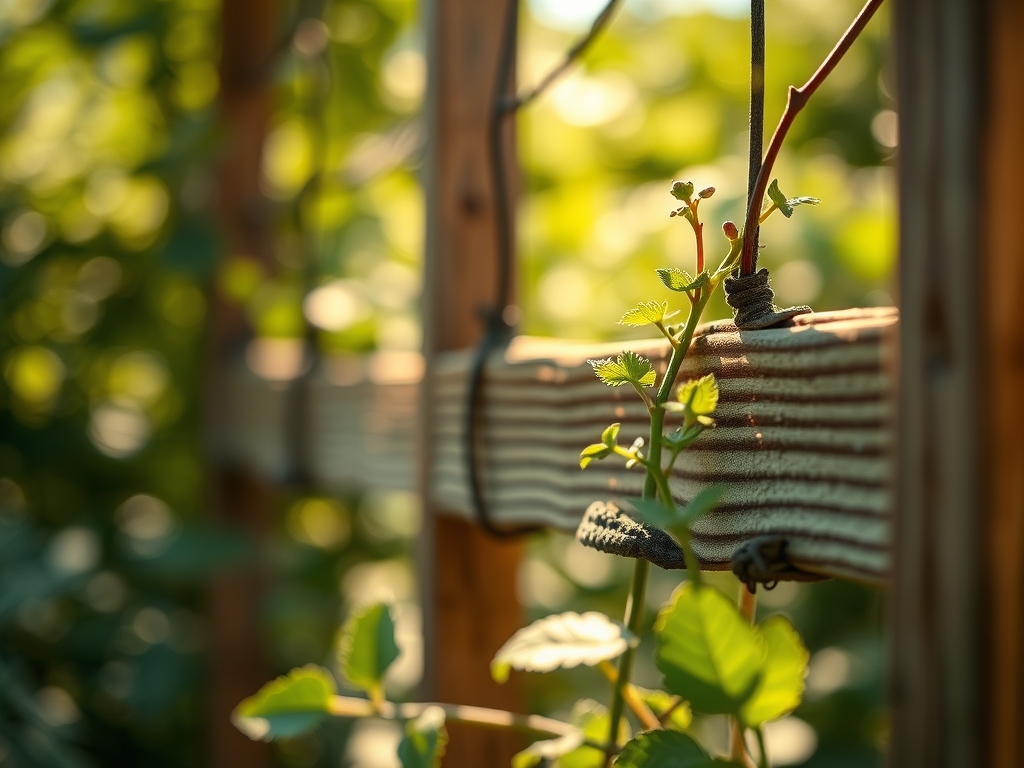
Train vines to trellis within 48 hours of tendrils appearing. Peas self-attach through modified leaf tendrils. Beans require initial guidance, wrapping counterclockwise around supports. Secure indeterminate crops with figure-eight ties using soft fabric strips, refreshed every 10 days as stems expand.
Pro-Tip: Apply compost tea at 1:4 dilution ratio when plants reach 12 inches tall. This delivers soluble nutrients and beneficial bacteria that colonize leaf surfaces, reducing powdery mildew incidence by 40-60 percent in university trials.
Troubleshooting Common Disorders
Symptom: Lower leaf yellowing with green veins. Solution: Iron deficiency induced by high pH. Apply chelated iron foliar spray at 0.5 ounces per gallon weekly for three applications.
Symptom: Blossom end rot on tomatoes and squash. Solution: Calcium deficiency exacerbated by irregular watering. Maintain consistent soil moisture and apply calcium chloride foliar spray at 2 tablespoons per gallon every 10 days.
Symptom: Stunted growth with purple leaf undersides. Solution: Phosphorus deficiency common in cold soils below 60°F. Wait for soil warming or apply liquid fish fertilizer (5-1-1) at labeled rates.
Symptom: Cucumber beetles on young seedlings. Solution: Row covers until flowering begins. Yellow sticky traps placed at plant height capture 70-90 adults per trap weekly during peak pressure.
Maintenance Calendar
Water delivers 1.5 inches per week through drip irrigation or soaker hoses, applied in single deep watering rather than frequent shallow events. This encourages roots to 12-18 inch depth, improving drought resilience.
Side-dress with 5-10-10 fertilizer at 1 pound per 10 feet of row when flowering begins. Repeat every 21 days for heavy feeders like tomatoes and cucumbers.
Prune indeterminate tomatoes to single or double leaders, removing all other suckers when 2-3 inches long. This concentrates energy into fruit production and improves air circulation.
Inspect trellis connections weekly. Tighten loose bolts and replace degraded ties before vine weight causes structural failure.
Frequently Asked Questions
How deep should trellis posts be set?
Bury posts one-third their total length, minimum 24 inches in cold climates where frost heave occurs.
Can I use the same trellis location annually?
Rotate crop families every 3 years to prevent pathogen buildup, particularly for solanaceous and cucurbit crops.
What spacing prevents disease on vertical crops?
Maintain 18-inch minimum between plants and 4-foot row spacing to ensure adequate air circulation that keeps foliage dry.
When should I remove old plant material?
Clear spent vines within 7 days of final harvest. Compost only disease-free material; burn or dispose of infected tissues.
Do all climbing plants need the same trellis strength?
No. Peas require only string or netting, while indeterminate tomatoes and winter squash demand rigid structures supporting 50-100 pounds per linear foot.