8 High-Light Steps to Prepare a Sunroom Plant Collection
Learning how to prepare a sunroom for a plant collection begins with understanding that glass-walled environments create microclimates where photosynthetic activity peaks between 10,000 and 50,000 lux. The southern exposure amplifies both photon flux and thermal gain. Most sunrooms reach 15-25°F above ambient outdoor temperatures during peak solar radiation. This concentrated energy transforms idle architectural space into a cultivation zone capable of supporting tropical, subtropical, and desert species year-round in temperate climates.
Materials
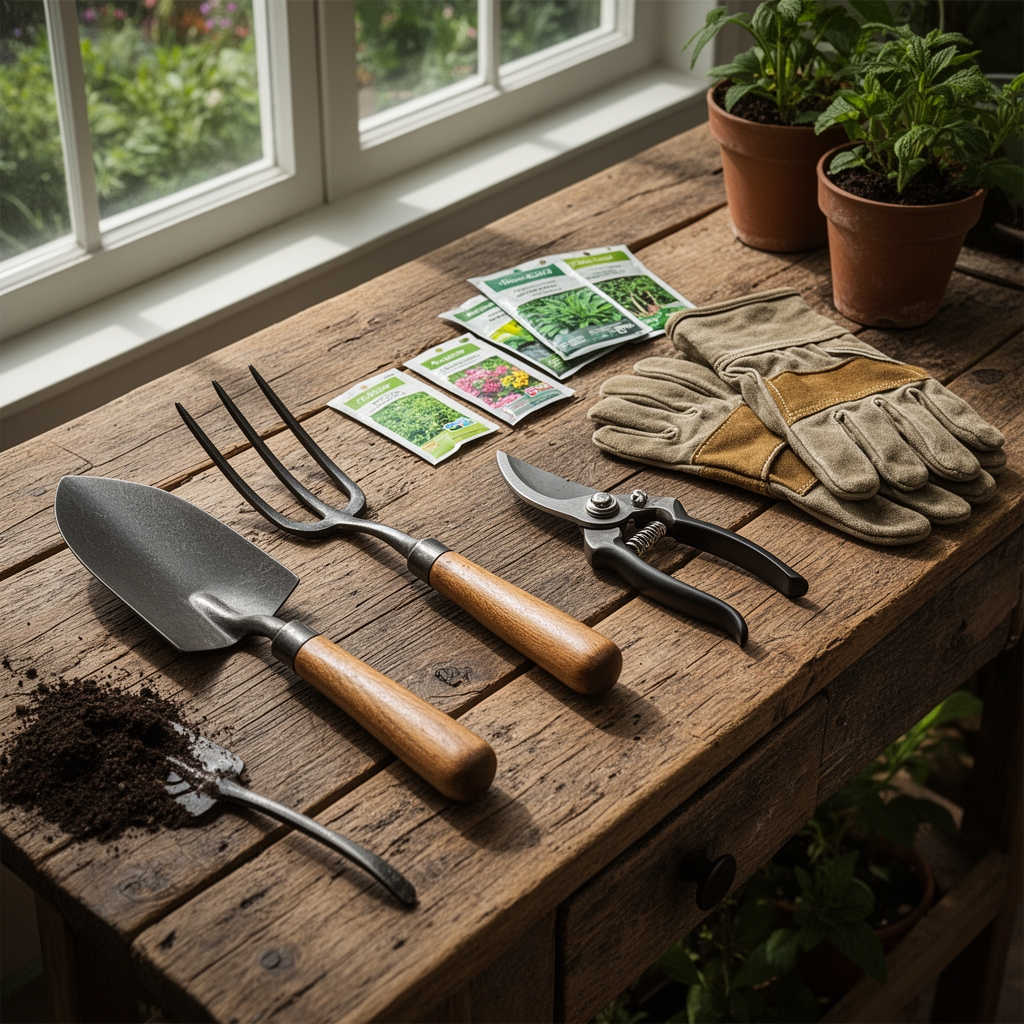
Substrate selection drives root colonization rates and nutrient availability. For acid-loving species like Gardenia jasminoides and Camellia japonica, blend 60% Canadian sphagnum peat (pH 3.5-4.5) with 30% perlite and 10% composted pine bark. Incorporate alfalfa meal at 4-4-4 NPK to supply slow-release nitrogen and triacontanol growth stimulants.
Cacti and succulents require mineral-dominant mixes. Combine 50% pumice (2-8 mm grade), 30% coarse sand (1-2 mm silica), and 20% coconut coir. Top-dress with worm castings at 1-0-0 NPK for trace elements without excess nitrogen that promotes etiolation.
Tropical aroids demand high cation exchange capacity. Formulate media from 40% composted hardwood bark, 30% perlite, 20% orchid bark (12-18 mm), and 10% biochar. The biochar fraction increases pH buffering and retains potassium ions near root zones. Apply kelp meal at 1-0.1-2 NPK quarterly to deliver cytokinins and natural auxins.
Hardware includes full-spectrum LED panels rated at 6400K color temperature for vegetative growth. Mount fixtures 18-24 inches above canopy for 400-600 μmol/m²/s PPFD. Install a digital hygrometer calibrated to ±2% accuracy. Misting systems with brass nozzles (0.2 mm orifice) maintain 60-80% relative humidity for epiphytes.
Timing
Cold hardiness zones dictate species introduction windows. In USDA Zone 6 (average minimum -10°F to 0°F), begin sunroom preparation eight weeks before the last spring frost date, typically April 15-May 1. This buffer allows substrate warming to 65°F, the threshold for mycorrhizal fungi activation.
Zones 7-8 permit earlier starts. Transplant tender perennials by March 1 when sunroom floor temperatures stabilize above 55°F. Monitor soil temperature with a dial thermometer inserted 4 inches deep at 8:00 AM for three consecutive days.
For tropical specimens sensitive to photoperiod, avoid introducing plants during the winter solstice through February 1. Day length below 10 hours triggers dormancy in Hibiscus rosa-sinensis and Bougainvillea glabra, stalling root establishment for 6-8 weeks.
Phases
Sowing
Direct-seed fast-draining substrates in 4-inch nursery pots. Sow Pachypodium lamerei seeds 1/4 inch deep in pumice mix. Maintain substrate at 78-82°F using heating mats rated at 20 watts per square foot. Germination occurs in 14-21 days. Water from below via capillary matting to prevent damping-off caused by Pythium species.
Pro-Tip: Dust seeds with Trichoderma harzianum spores (1 gram per 100 seeds) before sowing. This endophytic fungus colonizes emerging radicles, suppressing Rhizoctonia and Fusarium pathogens by 73% in controlled trials.
Transplanting
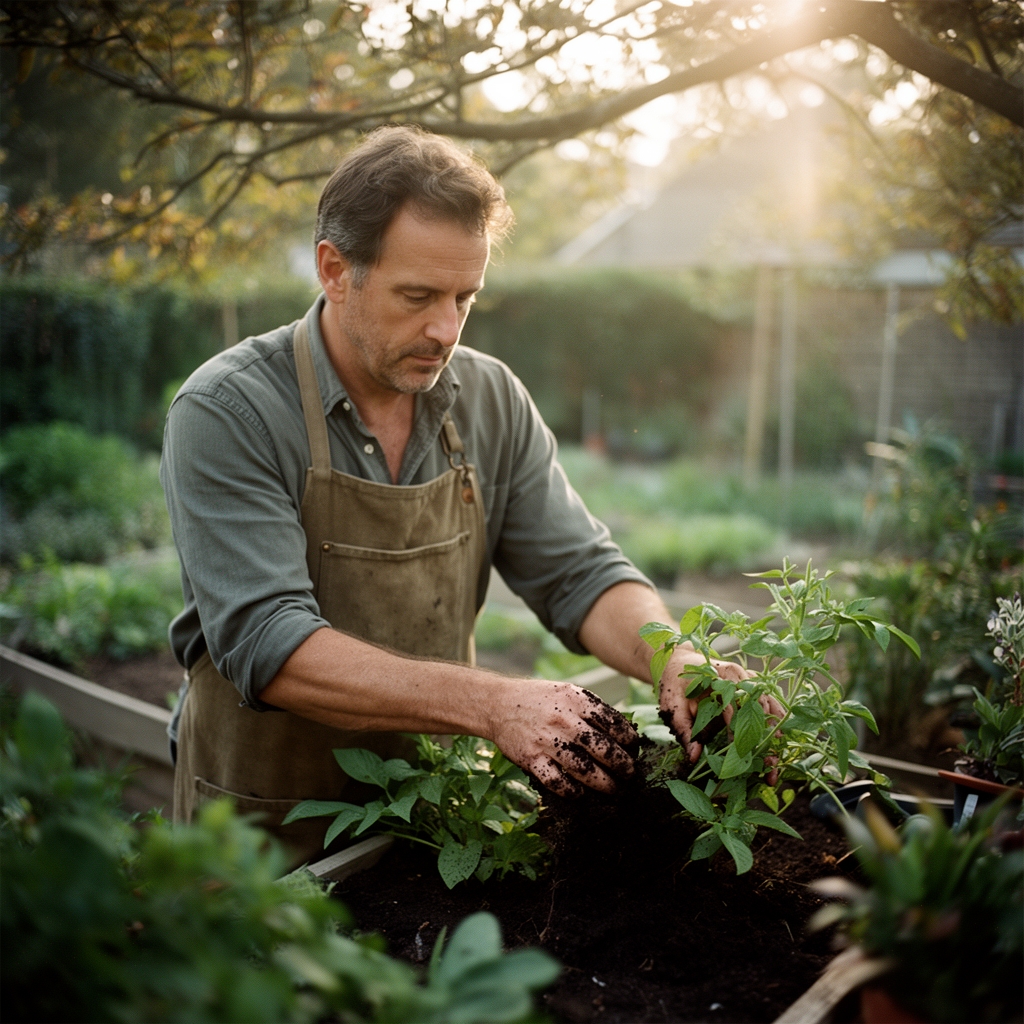
Move seedlings when true leaves reach 2 inches and root balls resist gentle tugging. Prepare 8-inch containers with drainage holes totaling 5% of the pot's base area. Fill containers to 1 inch below the rim. Excavate planting holes 1.5 times the root ball diameter.
Loosen circling roots with a sterile blade, making four vertical cuts 1/4 inch deep. Position the root crown level with the substrate surface. Backfill without compacting. Apply 1/2 cup of starter solution (1-3-1 NPK liquid at 200 ppm nitrogen).
Pro-Tip: Inoculate root zones with endomycorrhizae (Glomus intraradices) at 500 spores per cubic inch of substrate. Hyphal networks extend effective root surface area by 400-800%, increasing phosphorus uptake in low-P media.
Establishing
Acclimate transplants over 10 days by incrementally increasing light exposure. Begin at 200 μmol/m²/s for 6 hours daily. Raise intensity by 50 μmol/m²/s every 48 hours until reaching species-specific requirements. Ficus elastica tolerates 800 μmol/m²/s. Aspidistra elatior peaks at 150 μmol/m²/s.
Monitor apical meristem growth. New leaf primordia emerging within 14 days indicate successful establishment. Absence of growth suggests root damage or excess salts. Leach substrates with distilled water (EC <0.2 mS/cm) at twice the container volume.
Pro-Tip: Prune competing leaders at a 45-degree angle 1/4 inch above an outward-facing node. This redirects auxin flow laterally, producing bushier architecture and 30% more foliage mass.
Troubleshooting
Symptom: Interveinal chlorosis on new leaves. Veins remain green while lamina yellows.
Solution: Iron deficiency induced by alkaline substrate (pH >7.0). Drench with chelated iron (Fe-EDDHA) at 2 ounces per gallon. Lower pH to 6.0-6.5 using elemental sulfur at 1 tablespoon per gallon of media.
Symptom: Brown, crispy leaf margins progressing inward. Oldest leaves affected first.
Solution: Potassium deficiency or salt accumulation (EC >2.5 mS/cm). Flush substrate with 3 gallons of water per gallon of media. Reapply balanced fertilizer at 3-1-2 NPK ratio (150 ppm nitrogen).
Symptom: Sticky honeydew on foliage. Distorted new growth. Presence of 2 mm soft-bodied insects.
Solution: Aphid infestation (Myzus persicae). Spray insecticidal soap (potassium salts of fatty acids) at 2% concentration, covering leaf undersides. Repeat every 5 days for 3 applications. Release Aphidius colemani parasitoid wasps at 1 per square foot.
Symptom: White cottony masses in leaf axils. Yellowing and premature leaf drop.
Solution: Mealybugs (Pseudococcidae family). Swab colonies with 70% isopropyl alcohol on cotton applicators. Drench substrate with imidacloprid at 0.5 ounces per gallon to target crawlers migrating through media.
Symptom: Sudden wilting despite moist substrate. Brown roots with musty odor.
Solution: Root rot from Phytophthora species. Remove plant from container. Excise necrotic tissue with sterilized shears. Repot in fresh, well-draining mix. Drench with fosetyl-Al fungicide at labeled rates.
Maintenance
Water when the top 2 inches of substrate feel dry to touch. Apply 1 inch of water (approximately 0.6 gallons per square foot of container surface). Allow 10-15% drainage from bottom holes to prevent salt buildup.
Fertilize every 14 days during active growth (March-September) with complete formulation at 20-20-20 NPK, diluted to 250 ppm nitrogen. Reduce frequency to monthly applications from October-February when photosynthetic rates decline.
Clean glass panels monthly with distilled water and microfiber cloths to remove mineral deposits that block 15-20% of photosynthetically active radiation. Avoid ammonia-based cleaners that vaporize and damage foliage.
Rotate containers 90 degrees weekly to ensure uniform light distribution. Failure to rotate produces phototropic bending (etiolation toward light source) within 10 days.
Prune dead or yellowing leaves at the petiole base using bypass pruners sterilized in 10% bleach solution. Remove no more than 25% of total leaf area per session to avoid stressing carbohydrate reserves.
FAQ
How long does it take to prepare a sunroom for a plant collection?
Active preparation requires 2-3 weeks. This includes installing lighting systems, assembling benches, calibrating environmental controls, and heat-treating substrates at 180°F for 30 minutes to eliminate pathogens.
What is the ideal temperature range for mixed collections?
Maintain daytime temperatures between 72-78°F and nighttime temperatures of 62-68°F. This 10-degree differential mimics natural thermoperiodic cycles, optimizing respiration efficiency and preventing excessive carbohydrate consumption.
Can sunrooms support carnivorous plants?
Yes, with modifications. Install humidifiers to achieve 70-90% relative humidity. Use only distilled or reverse-osmosis water (TDS <50 ppm). Provide winter dormancy by lowering temperatures to 40-50°F for Sarracenia and Dionaea species.
How do I prevent algae growth on substrate surfaces?
Reduce surface moisture by bottom-watering through capillary mats. Apply 1/4 inch of horticultural grit (2-4 mm granite) as top-dressing. Increase air circulation to 30-50 cubic feet per minute with oscillating fans.
What spacing prevents pathogen transmission between plants?
Allow 6-12 inches between container edges. This spacing reduces humidity pockets where Botrytis cinerea thrives and prevents direct contact transmission of pests like spider mites (Tetranychus urticae).