7 Steps to Install a Trellis Garden Privacy Screen
The first morning light filters through a newly installed trellis, and the scent of damp cedar mixes with the sharper tang of disturbed loam. Within six months, that bare framework will carry a living wall of foliage dense enough to muffle street noise and shield cookouts from sidewalk traffic. Steps for installing a garden screen begin with anchoring posts in compacted gravel, proceed through tensioning horizontal supports, and culminate in selecting fast-growing climbers matched to your hardiness zone and soil cation exchange capacity.
Materials
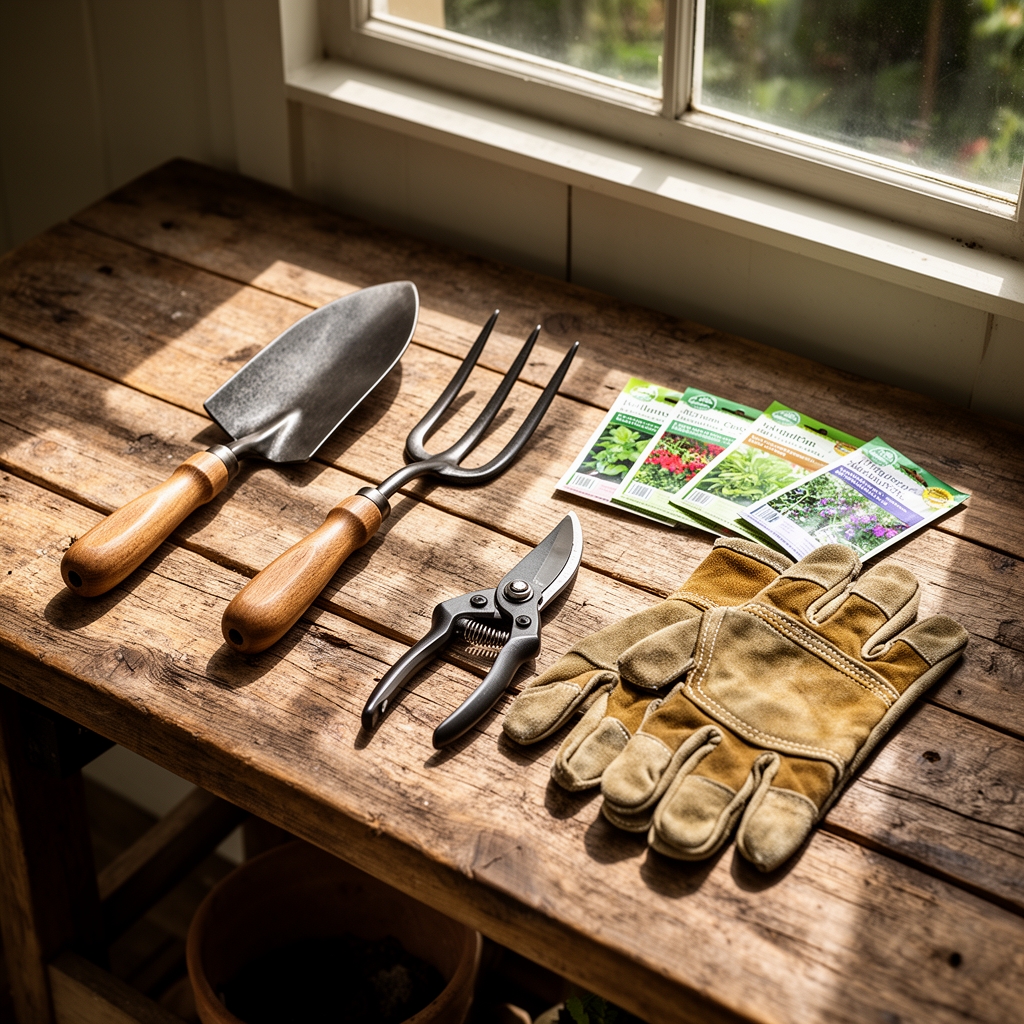
Structural components require pressure-treated 4×4 posts rated for ground contact, galvanized lag bolts (3/8 inch diameter), and welded-wire mesh in 2×4-inch grid. For soil amendment, source a balanced organic fertilizer at 4-4-4 NPK or composted manure at 1-1-1. If native pH reads below 6.0, incorporate dolomitic lime at 5 pounds per 100 square feet to raise it incrementally. Mycorrhizal inoculant powder, applied at transplant, colonizes feeder roots and increases phosphorus uptake by 40 percent in clay loam.
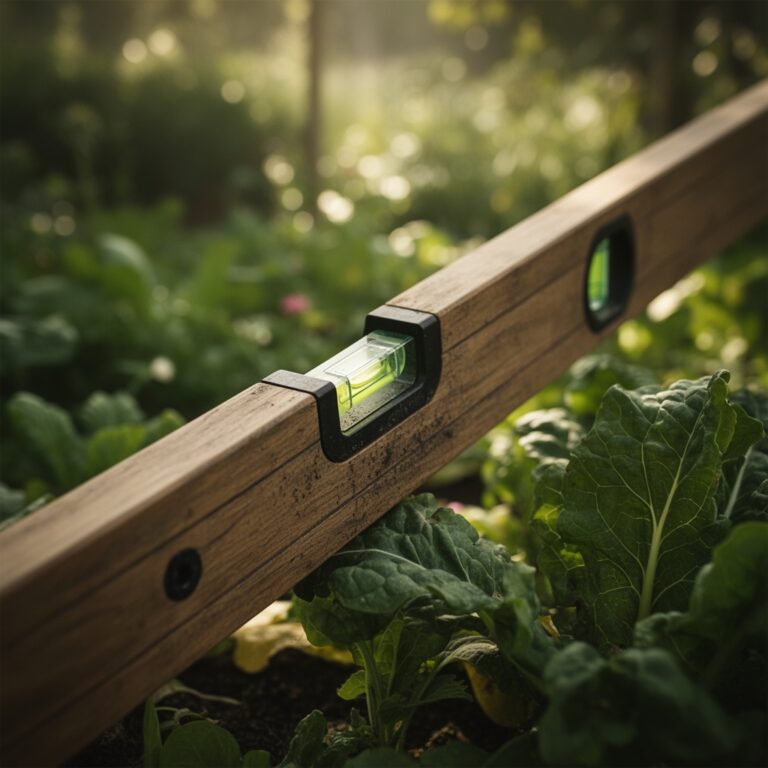
Purchase two-gallon container stock of climbing plants rather than bareroot whips. Species recommendations include Lonicera sempervirens for zones 4 through 9, Clematis terniflora for neutral to alkaline soils, and Campsis radicans where aggressive spread is acceptable. Each vine requires 18 inches of lateral spacing at the base. Tools include a post-hole digger, torpedo level, reciprocating saw, and a soil probe to measure compaction at 18-inch depth.
Timing
Installation in USDA Hardiness Zones 5 through 8 should occur four weeks after the final spring frost, when soil temperature at 6-inch depth holds steady above 55 degrees Fahrenheit. Mycorrhizal fungi remain dormant below that threshold, delaying symbiotic colonization. In zone 9 and warmer, schedule work between October and February to exploit winter rains and minimize transplant shock.
Avoid construction during the July-August heat dome if daytime highs exceed 90 degrees for more than three consecutive days. Roots severed during transplant cannot replace water lost through transpiration, and leaf margins will scorch brown within 48 hours. Fall installation in zones 6 and colder must conclude by mid-September to allow eight weeks of root establishment before first hard freeze.
Phases

Sowing the Foundation
Dig post holes to 30-inch depth, one-third the above-ground height of each post. Pour 4 inches of crushed gravel into the bottom and tamp with a steel bar until resistance indicates 90 percent compaction. Insert the post, backfill with alternating layers of native soil and gravel, and check plumb on two perpendicular faces. Set corner posts first, then stretch mason line between them to position intermediate posts at 6-foot intervals.
Pro-Tip: Coat the below-grade section of each post with rubberized foundation sealant to extend service life to 25 years in high-moisture climates.
Transplanting and Training
Excavate planting holes twice the width of the root ball and equal in depth. Break up sidewall glaze with a hand fork to prevent circling roots. Position each vine 12 inches outboard from the post line to reduce competition for light once the canopy matures. Backfill with native soil amended at a 3:1 ratio with compost, and water to field capacity (soil crumbles but no free water appears).
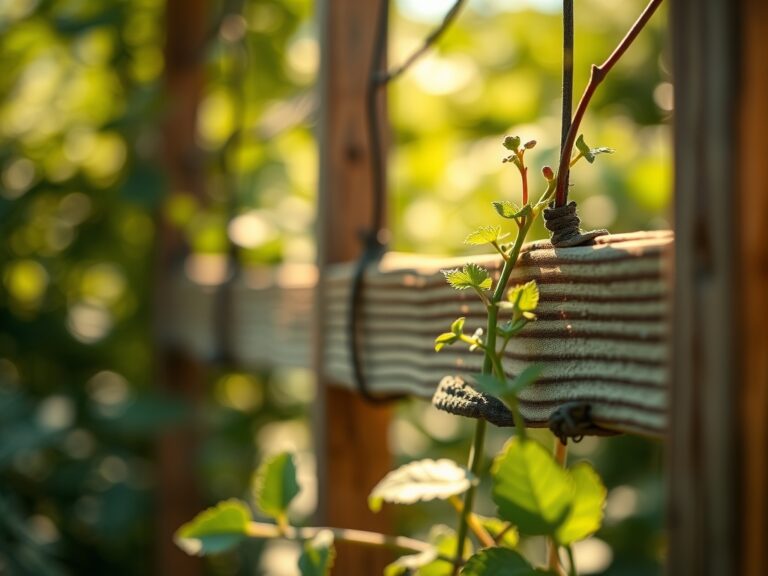
Install horizontal supports at 18-inch vertical intervals using 12-gauge galvanized wire tensioned to 50 pounds with a ratchet tool. Guide the primary stem to the wire using soft cloth ties, avoiding contact with bare metal that conducts heat and damages cambium.
Pro-Tip: Pinch the apical meristem when the leader reaches the second wire to trigger auxin redistribution and force lateral branching.
Establishing the Screen
Apply 2 inches of shredded hardwood mulch in a 24-inch-diameter ring, keeping material 3 inches clear of the stem to prevent crown rot. Fertilize with a slow-release 5-10-5 granular blend at 2 tablespoons per plant, broadcast evenly over the root zone. Reapply every eight weeks through the first growing season.
Monitor soil moisture with a probe at 4-inch depth. Irrigate when readings drop below 40 percent of field capacity, delivering 1.5 gallons per plant per session.
Pro-Tip: Foliar spray with dilute seaweed extract (1:500 ratio) biweekly during June and July to supply cytokinins that accelerate cell division in shoot tips.
Troubleshooting
Symptom: Yellow interveinal chlorosis on new leaves.
Solution: Iron deficiency induced by alkaline pH. Drench roots with chelated iron at 1 tablespoon per gallon; adjust soil pH downward with elemental sulfur at 1 pound per 100 square feet.
Symptom: Black sooty mold on stems and foliage.
Solution: Secondary infection following aphid infestation. Spray insecticidal soap at 2 percent concentration; rinse honeydew residue with forceful water.
Symptom: Sudden wilt despite adequate moisture.
Solution: Verticillium wilt fungus in vascular tissue. Remove and destroy affected plants; solarize soil for six weeks under clear polyethylene before replanting resistant species.
Symptom: Holes in leaves with metallic-green beetles present.
Solution: Japanese beetle feeding. Handpick adults at dawn when cold temperatures slow movement; apply neem oil at 0.5 percent concentration weekly.
Maintenance
Deliver 1 inch of supplemental water per week during periods of less than 0.5 inch rainfall. Use drip irrigation on a timer set for 90-minute sessions twice weekly. Prune in late winter, removing dead wood and thinning lateral shoots to maintain 6-inch spacing. This opens the canopy for air circulation and reduces powdery mildew by 60 percent.
Reapply mulch each spring to maintain a 2-inch layer. Top-dress with compost at 0.5 inch annually to sustain soil organic matter above 5 percent. Test soil every three years and adjust amendments based on lab results.
FAQ
How long until the screen provides full privacy?
Lonicera and Campsis achieve 80 percent coverage in 18 months; Clematis requires 24 months.
Can I install a trellis on a sloped yard?
Yes. Step posts down the grade, maintaining level horizontal wires by adjusting attachment height on each upright.
What is the maximum height for a freestanding trellis?
Eight feet without cross-bracing; taller structures require diagonal knee braces at 45-degree angles.
Do evergreen vines work for year-round screening?
In zones 7 and warmer, Trachelospermum jasminoides retains foliage through winter.
How do I prevent vine weight from collapsing the frame?
Use 1/8-inch aircraft cable for horizontal runs exceeding 10 feet; standard wire sags under load beyond that span.