6 Steps to Prepare a Vertical Garden Arbor Site
Learning how to prepare a site for a garden arbor transforms a flat yard into a productive growing zone. The scent of turned earth, the resistance of compacted clay against a spade, and the cool weight of stone pavers combine to signal the start of a vertical growing system. A well-prepared arbor site anchors climbing plants, channels water efficiently, and creates microclimates that extend harvest windows by two to three weeks in Zones 5 through 9.
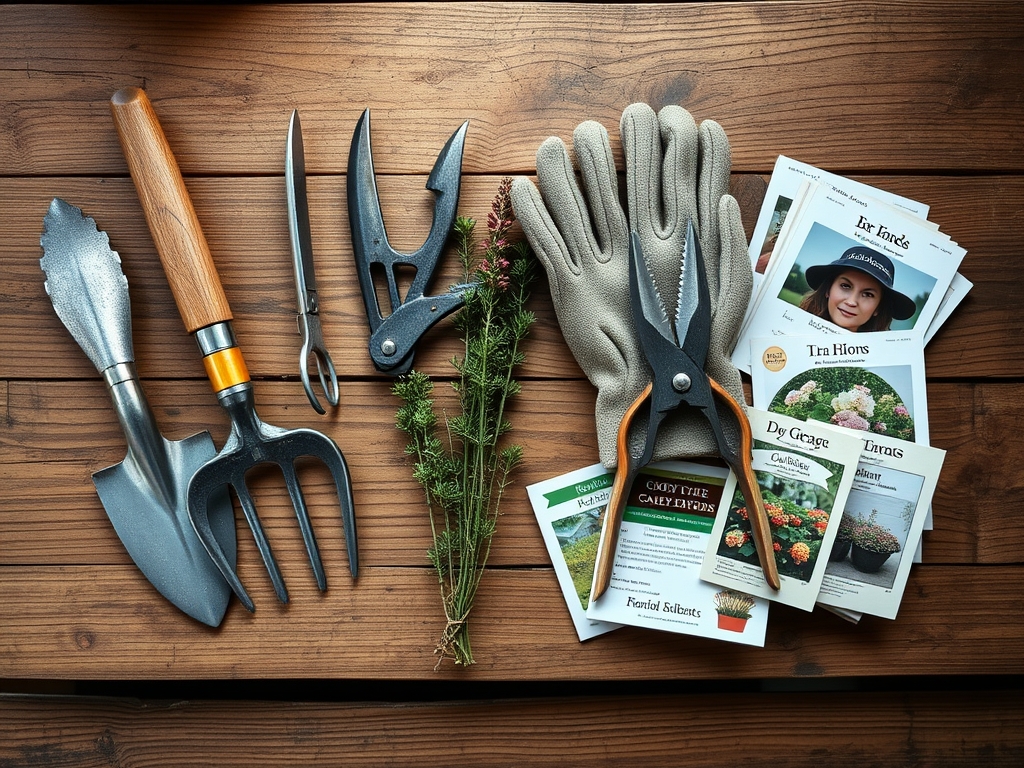
Materials
The substrate beneath an arbor determines root penetration and nutrient availability. Amend native soil with aged compost at a 1:3 ratio. Target a pH of 6.2 to 6.8 for most climbing vegetables and ornamentals. Use a digital pH meter calibrated weekly.
For nitrogen-demanding climbers like pole beans and clematis, incorporate a 4-4-4 organic fertilizer at 2 pounds per 100 square feet. Alfalfa meal delivers slow-release nitrogen and triacontanol, a natural growth stimulant. Bone meal (3-15-0) supplies phosphorus for root establishment and flower set. Greensand (0-0-3) provides potassium and trace minerals, improving cation exchange capacity in sandy soils.
Apply mycorrhizal inoculant directly to planting holes at 1 teaspoon per plant. Glomus intraradices colonizes roots within 14 days, extending effective root area by 10 to 100 times.
Hardware includes four pressure-treated 4×4 posts rated for ground contact, eight 60-pound bags of quick-setting concrete, galvanized lag bolts (3/8 inch by 6 inches), and copper wire for training. Avoid chemically treated lumber near edible plantings; use naturally rot-resistant cedar or black locust instead.
Timing
Site preparation begins six weeks before the last expected frost. This window allows soil amendments to integrate and microbial populations to stabilize. In Zone 6, begin work in mid-March. In Zone 8, late January is ideal.
Post installation occurs when soil temperature reaches 50°F at 6-inch depth. Frozen ground prevents proper concrete curing and causes heaving. Transplant warm-season climbers like cucumbers and morning glories two weeks after the last frost, when soil reaches 60°F. Cool-season climbers such as peas and sweet peas tolerate transplanting four weeks before the last frost.
Fall preparation offers advantages. Soil microbes remain active until temperatures drop below 40°F, allowing amendments to mineralize over winter.
Phases

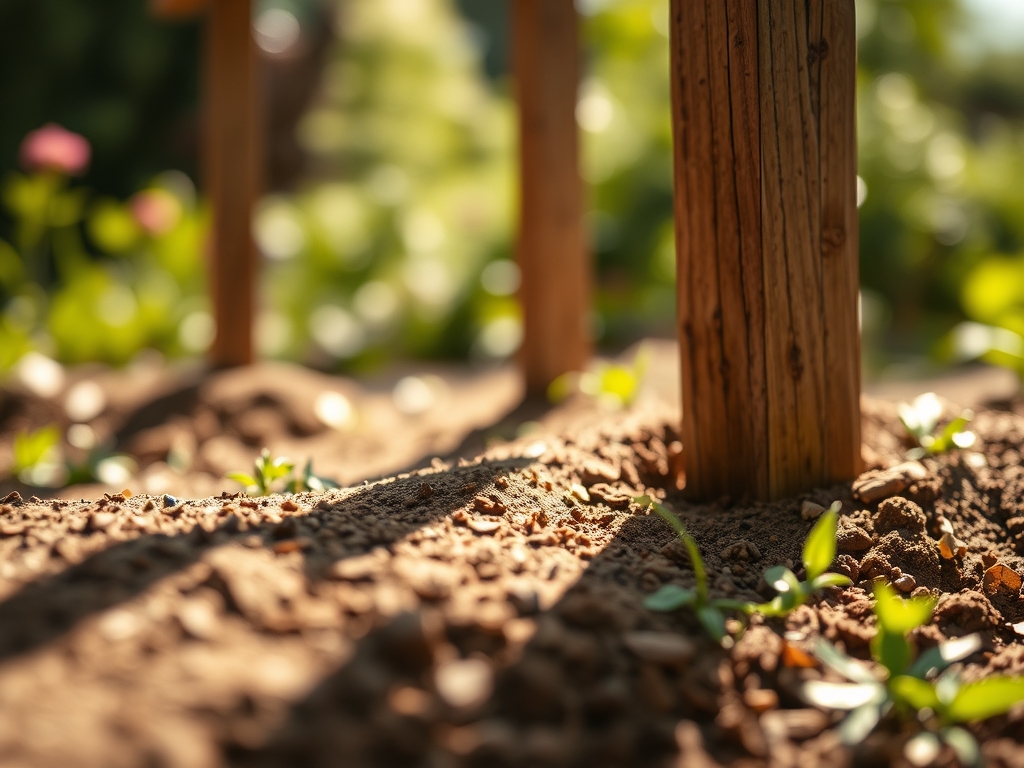
Site Assessment and Layout: Survey the area for drainage patterns, existing root systems, and sunlight duration. Most arbor climbers require six to eight hours of direct sun. Mark post locations with stakes, ensuring a minimum 6-foot height clearance and 4-foot width for air circulation. Excavate post holes to 30 inches deep, below the frost line in northern zones. Flare the bottom 6 inches to create a bell shape that resists heaving.
Pro-Tip: Pour 4 inches of gravel into each post hole before setting posts. This layer prevents moisture wicking and extends post life by five years.
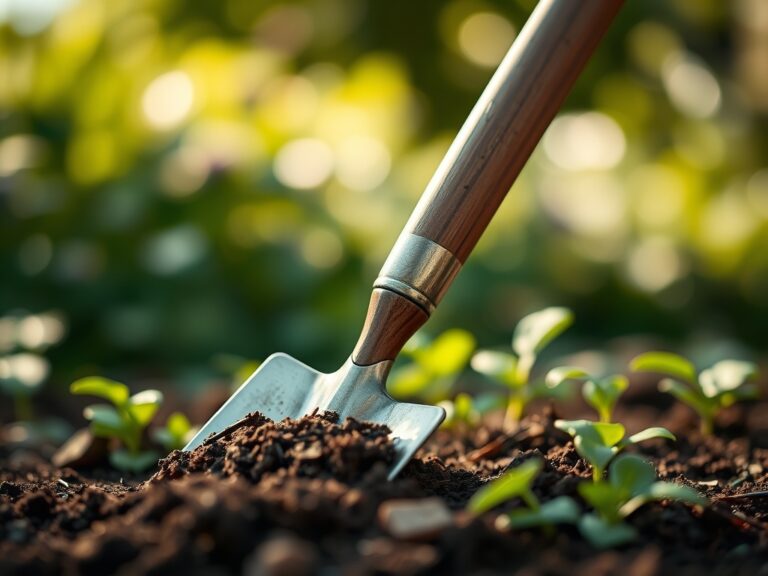
Soil Preparation: Remove sod in a 4-foot radius around the arbor footprint. Slice horizontally with a flat spade at 2-inch depth. Compost removed sod or relocate it to fill low spots elsewhere. Till or double-dig the exposed area to 12-inch depth. Break clods smaller than 2 inches. Incorporate amendments uniformly, then water to field capacity (soil that holds its shape when squeezed but releases a few drops).
Pro-Tip: Apply a 2-inch layer of arborist wood chips around the base after planting. This mulch moderates soil temperature swings of up to 15°F and suppresses annual weeds while allowing perennial crowns to emerge.
Post Installation and Structural Assembly: Set posts vertically using a 4-foot level on two adjacent faces. Fill holes with quick-setting concrete mixed to the consistency of thick oatmeal. Brace posts with 2×4 supports for 48 hours. Attach horizontal cross-members with lag bolts, pre-drilling pilot holes to prevent splitting. Space horizontal supports 12 inches apart to accommodate twining stems and allow pruning access.
Pro-Tip: Angle cuts on horizontal members at 15 degrees to shed water. Standing water promotes fungal colonization and accelerates wood decay.
Troubleshooting
Symptom: Posts lean within the first season. Solution: Heaving from frost or inadequate concrete depth causes instability. Excavate around the base, add gravel, and reset with deeper footings.
Symptom: Climbers produce foliage but few flowers or fruit. Solution: Excess nitrogen diverts auxin distribution to vegetative growth. Reduce nitrogen inputs and apply 0-10-10 fertilizer at 1 pound per 100 square feet to shift hormonal balance toward reproduction.
Symptom: Yellowing lower leaves with green veins (interveinal chlorosis). Solution: Iron deficiency, often pH-related. Soil above 7.0 locks out iron. Apply chelated iron at 1 ounce per 10 gallons of water as a foliar spray. Acidify soil with sulfur at 1 pound per 100 square feet to lower pH by 0.5 units.
Symptom: White powdery coating on leaves. Solution: Powdery mildew thrives in humid, stagnant air. Increase spacing to improve airflow. Apply a solution of 1 tablespoon baking soda and 1 teaspoon horticultural oil per gallon of water weekly.
Maintenance
Water established arbor plants with 1 inch per week, delivered in a single deep session rather than frequent shallow sprinklings. Deep watering encourages roots to penetrate 18 to 24 inches, improving drought tolerance. Install drip irrigation on a timer to maintain consistent moisture.
Prune climbers monthly during the growing season. Remove stems that cross or rub, as wounds invite bacterial canker. Cut at a 45-degree angle 1/4 inch above an outward-facing bud to direct growth away from the arbor's center.
Reapply compost annually at 1 inch depth in early spring. Top-dress with balanced fertilizer (10-10-10) at 1 pound per 100 square feet six weeks after transplanting and again at flowering.
FAQ
How deep should arbor posts be set? Posts must extend below the frost line, typically 30 to 36 inches in northern climates and 18 to 24 inches in southern zones. Add 6 inches of gravel beneath each post.
Can I install an arbor over existing lawn? Remove sod and 4 inches of topsoil to prevent anaerobic decomposition, which releases methane and competes with roots for oxygen.
What spacing prevents overcrowding? Allow 12 inches between individual plants for small-leaved climbers like peas. Space vigorous growers like hops and kiwi 24 inches apart.
Do I need to treat wooden arbors? Use naturally rot-resistant species. If using treated lumber, choose alkaline copper quaternary (ACQ) over chromated copper arsenate (CCA) for edible gardens.
When should I replace arbor posts? Inspect annually for soft spots by probing with an awl. Replace posts when decay penetrates more than 1/4 inch deep.