6 Necessary Steps to Plant Kohlrabi
Crushing a handful of damp, friable loam reveals the earthy scent of geosmin; this is the physical indicator of a healthy microbial community ready for Brassica oleracea. To achieve the crisp, dense turgor of a high quality bulb, you must execute the specific steps to plant kohlrabi with mechanical precision. This cool season biennial requires steady moisture and consistent nutrient availability to prevent the lignification of its swollen stem. If the plant experiences significant stress, the vascular tissue becomes woody and inedible. Successful cultivation relies on managing the transition from seedling emergence to rapid vegetative expansion. By controlling the rhizosphere environment and monitoring soil temperature, you ensure the plant focuses energy on the hypocotyl rather than premature reproductive signaling. This process begins with a rigorous assessment of your site conditions and a commitment to soil chemistry.
Materials:
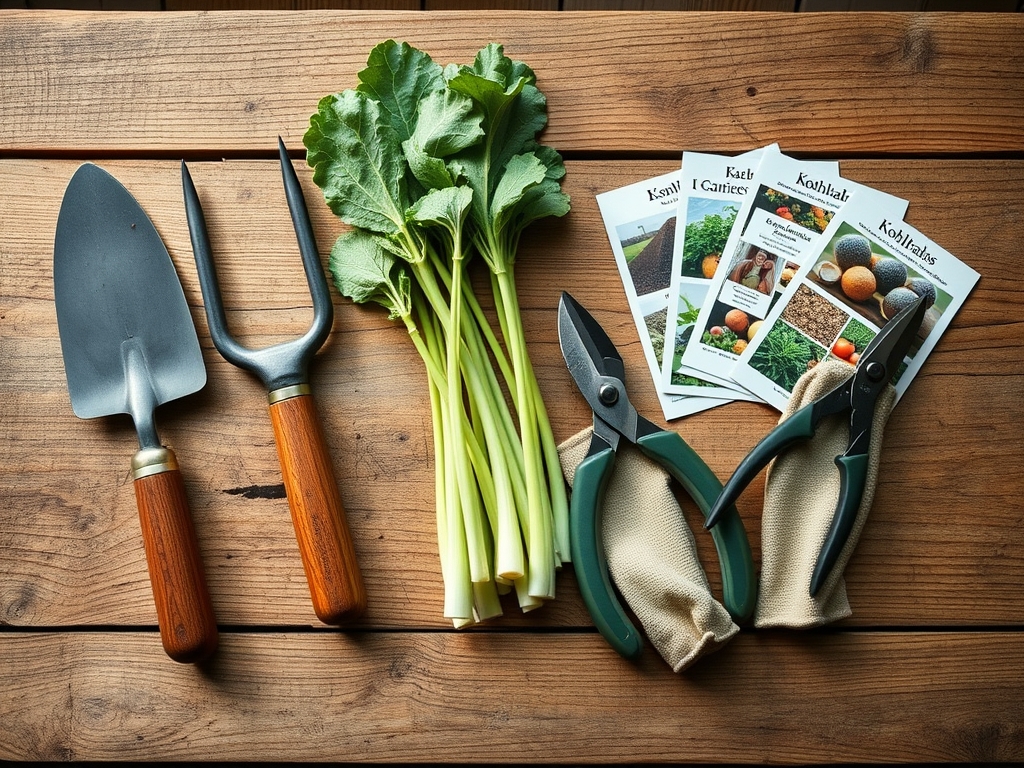
Kohlrabi thrives in a soil pH range of 6.0 to 6.8. This range ensures optimal availability of micronutrients like boron, which is critical for preventing hollow heart in brassicas. The substrate must be a friable loam with a high Cation Exchange Capacity (CEC) to retain essential ions. Before planting, incorporate organic matter to achieve a target NPK ratio of 10-10-10 or 5-10-10 if your soil tests high in nitrogen.
The physical texture of the bed should allow for rapid root penetration. Avoid heavy clays that impede drainage, as anaerobic conditions lead to root rot and stunted growth. You will need a soil moisture meter to maintain consistent hydration levels and a calibrated thermometer to monitor the substrate temperature. Ensure you have high quality, non-treated seeds or healthy transplants with at least four true leaves and no signs of purple tinting, which indicates phosphorus deficiency or cold stress.
Timing:
Kohlrabi is hardy in USDA Zones 2 through 11, but it performs best when temperatures remain between 45 and 75 degrees Fahrenheit. In northern climates, start seeds indoors 4 to 6 weeks before the last frost. In southern regions, kohlrabi is a premier winter crop, sown when soil temperatures drop below 85 degrees Fahrenheit.
The "Biological Clock" of kohlrabi is governed by vernalization. If young plants are exposed to temperatures below 45 degrees Fahrenheit for more than two weeks, they may undergo a physiological shift from vegetative growth to reproductive stages. This results in bolting, where the plant produces a flower stalk before the bulb has reached harvestable size. To avoid this, time your planting so the bulk of the growth occurs during the stable, cool windows of spring or autumn.
Phases:
Sowing and Germination
Sow seeds at a depth of 0.25 to 0.5 inches. Space rows 12 to 18 inches apart to allow for adequate airflow and light penetration. Germination typically occurs within 5 to 10 days when the soil temperature is maintained at 65 to 70 degrees Fahrenheit. Use a heat mat for indoor starts to ensure uniformity across the tray.
Pro-Tip: Maintain consistent moisture to support turgor pressure during emergence. If the seed coat dries out during the initial imbibition phase, the embryo will suffer irreversible cellular collapse and fail to germinate.
Transplanting
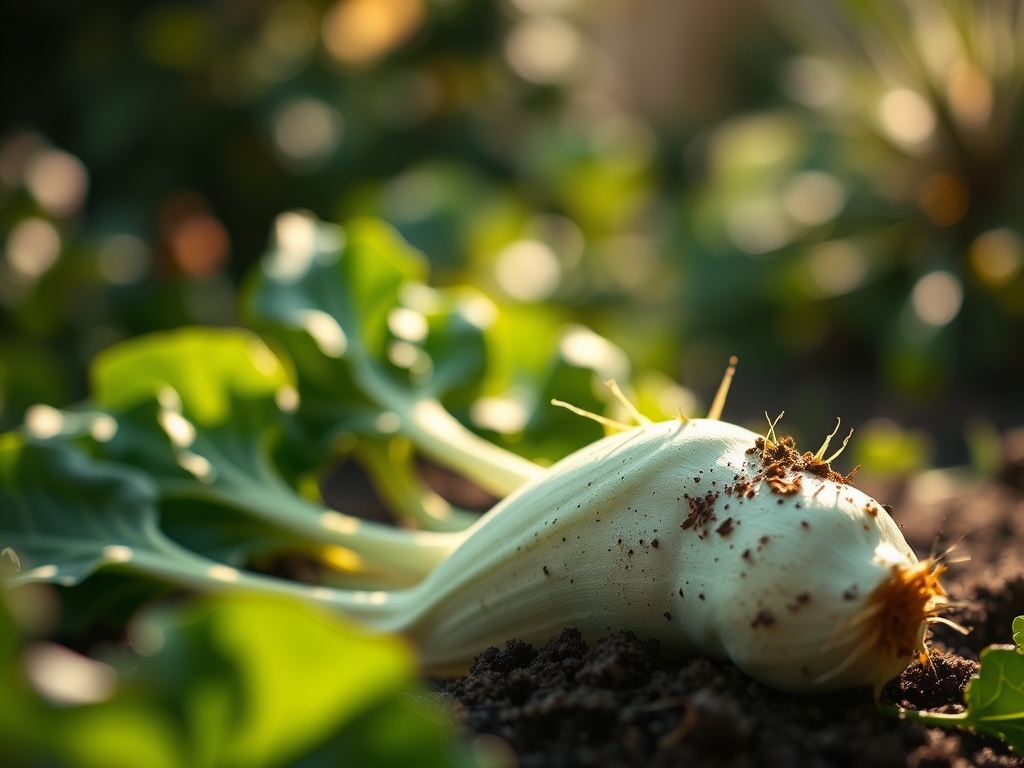
When seedlings reach 3 to 4 inches in height, move them to the field. Dig a hole using a hori-hori knife that is twice the width of the root ball. Set the plant at the same depth it sat in the container. Avoid burying the stem, as the bulb forms above the soil line. Space individual plants 6 to 9 inches apart to minimize competition for nutrients.
Pro-Tip: Administer a seaweed based starter solution to reduce transplant shock. This encourages auxin production in the root tips, which accelerates the establishment of the root system in the new rhizosphere.
Establishing and Bulbing
Once established, the kohlrabi enters a phase of rapid cell division in the hypocotyl. This is the most critical period for irrigation. The plant requires 1.5 inches of water per week, delivered directly to the drip line. Avoid overhead watering to prevent the accumulation of moisture in the leaf axils, which can harbor pathogens.
Pro-Tip: Mulch with clean straw to regulate soil temperature. This practice suppresses weed competition and prevents the soil from fluctuating in temperature, which can cause the bulb to split or become excessively fibrous.
The Clinic:
Physiological disorders in kohlrabi are often the result of environmental stressors or nutrient imbalances rather than pathogens.
- Symptom: Splitting Bulbs. This is caused by irregular irrigation. When a dry spell is followed by heavy rain, the internal cells expand faster than the epidermal tissue can accommodate. Solution: Maintain consistent soil moisture using a drip irrigation system.
- Symptom: Hollow Heart. This manifests as a cavity in the center of the bulb. It is typically a sign of a boron deficiency or excessively rapid growth due to over-fertilization. Solution: Apply a foliar boron spray or ensure your NPK ratio is not overly heavy on nitrogen.
- Symptom: Nitrogen Chlorosis. The older leaves turn a pale yellow while the veins remain green. This indicates the plant is scavenging nitrogen for new growth. Solution: Side-dress with a high nitrogen organic fertilizer like blood meal.
- Symptom: Tip Burn. The edges of young leaves turn brown and necrotic. This is a calcium transport issue, often caused by humidity fluctuations. Solution: Ensure steady watering to facilitate the movement of calcium through the xylem.
Maintenance:
Precision maintenance is the difference between a gourmet harvest and compost. Use a soil moisture meter daily; the probe should read in the "moist" range at a depth of 4 inches. If you detect weeds, use a hori-hori knife to slice the roots just below the surface, taking care not to disturb the shallow root system of the kohlrabi.
Monitor for the presence of the imported cabbageworm or cabbage looper. Use a physical barrier like floating row covers from the day of transplanting to prevent egg laying. If you must prune damaged outer leaves, use bypass pruners to make clean cuts at the base of the petiole. This minimizes the surface area of the wound and reduces the risk of secondary infections.
The Yield:
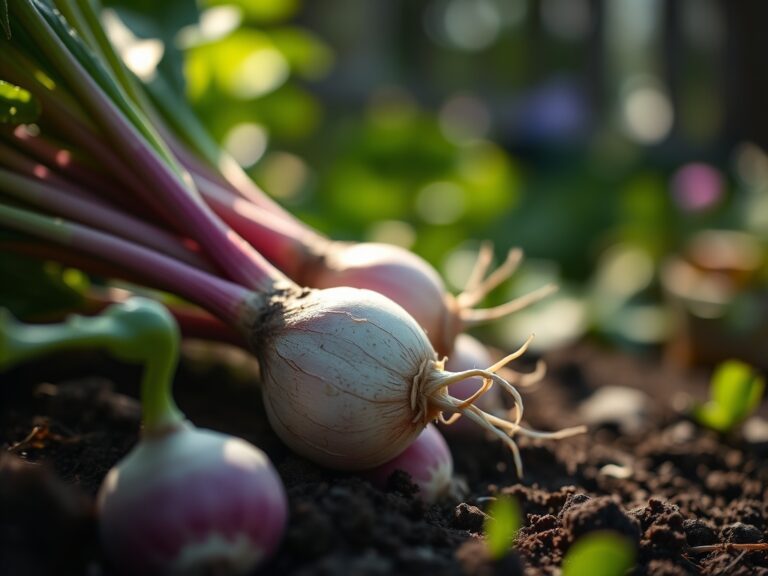
Harvest kohlrabi when the bulb reaches a diameter of 2 to 3 inches. For "giant" varieties, this may extend to 6 inches, but standard cultivars become woody if left in the ground too long. Use a sharp knife to sever the plant at the soil line.
To maintain "day-one" freshness and maximize shelf life, remove the large fan leaves immediately after harvest. These leaves continue to transpire moisture, which will pull water out of the bulb and cause it to soften. Store the trimmed bulbs in a high humidity environment at 32 to 36 degrees Fahrenheit. Under these conditions, the kohlrabi will maintain its crisp texture for several weeks.
FAQ:
Why is my kohlrabi bulb so small and tough?
This is typically caused by high temperatures or insufficient water. If the plant experiences heat stress above 80 degrees Fahrenheit, it slows growth and increases fiber production. Ensure consistent irrigation and plant during the cool shoulder seasons.
Can I eat the leaves of the kohlrabi plant?
Yes. The leaves are morphologically similar to collard greens and are highly nutritious. Harvest them sparingly while the plant is growing to ensure the bulb has enough photosynthetic surface area to continue developing.
How do I know when kohlrabi is ready to harvest?
Measure the diameter of the swollen stem. For most varieties, 3 inches is the peak for flavor and texture. If the skin feels extremely hard or the plant begins to elongate upward, harvest immediately before it becomes woody.
Does kohlrabi need full sun?
Kohlrabi requires at least 6 hours of direct sunlight daily. Insufficient light leads to "leggy" growth where the bulb fails to fill out properly. In warmer zones, provide light afternoon shade to prevent the soil from overheating.